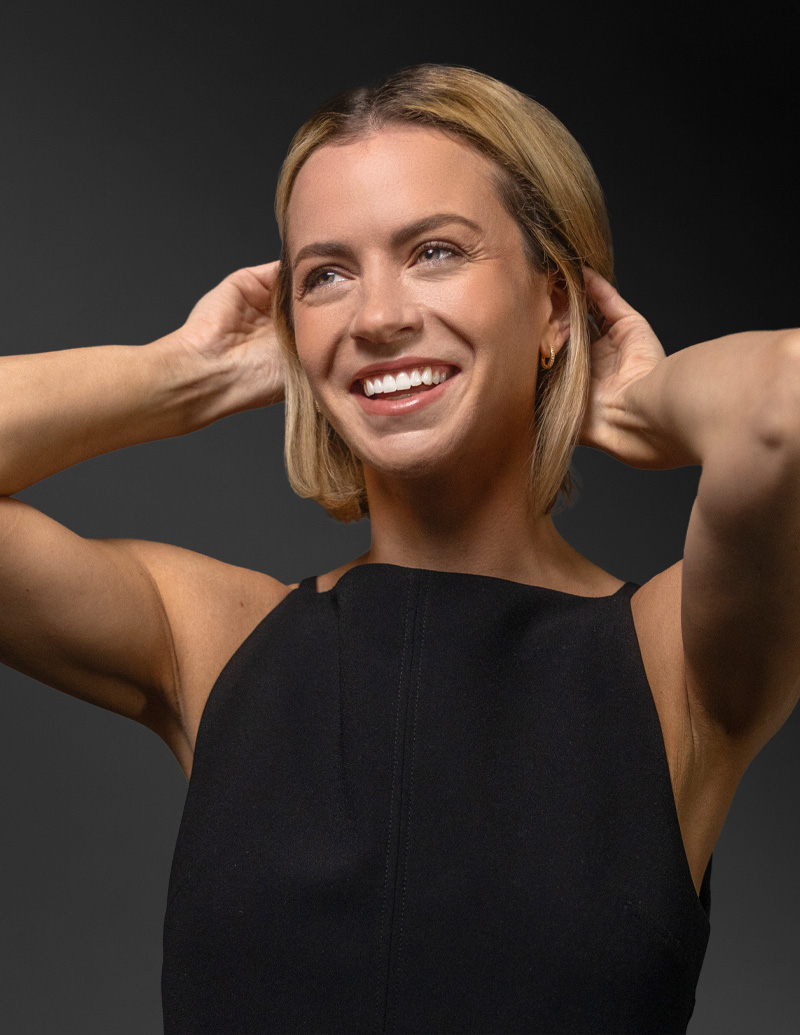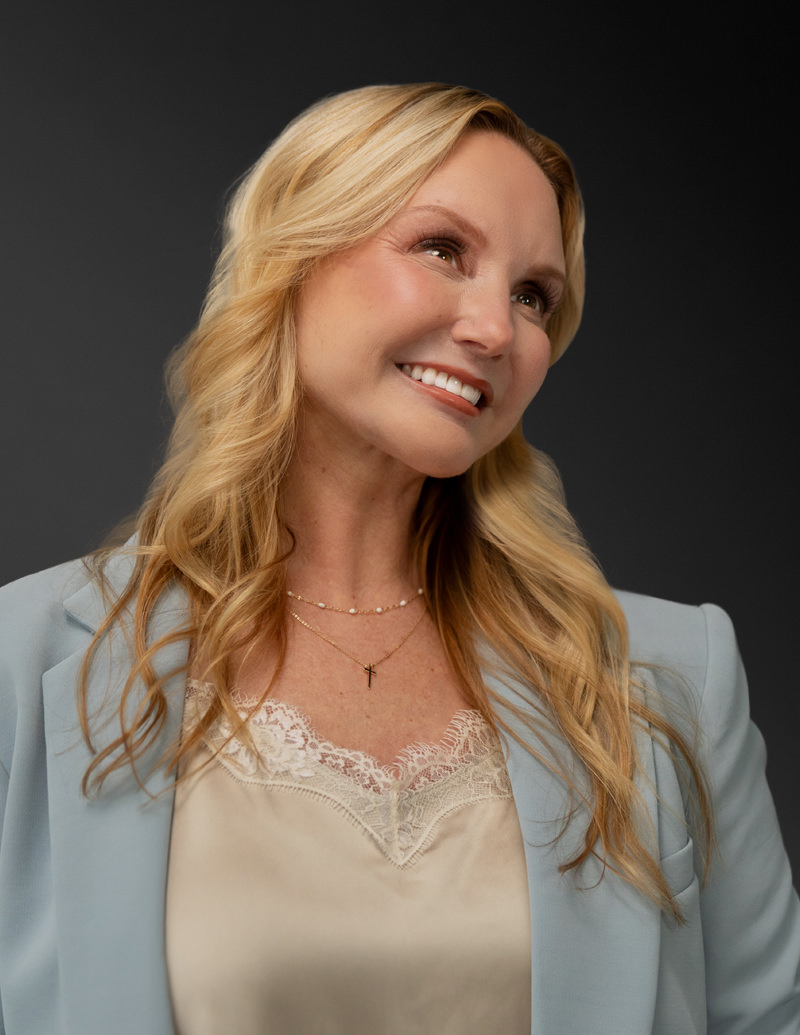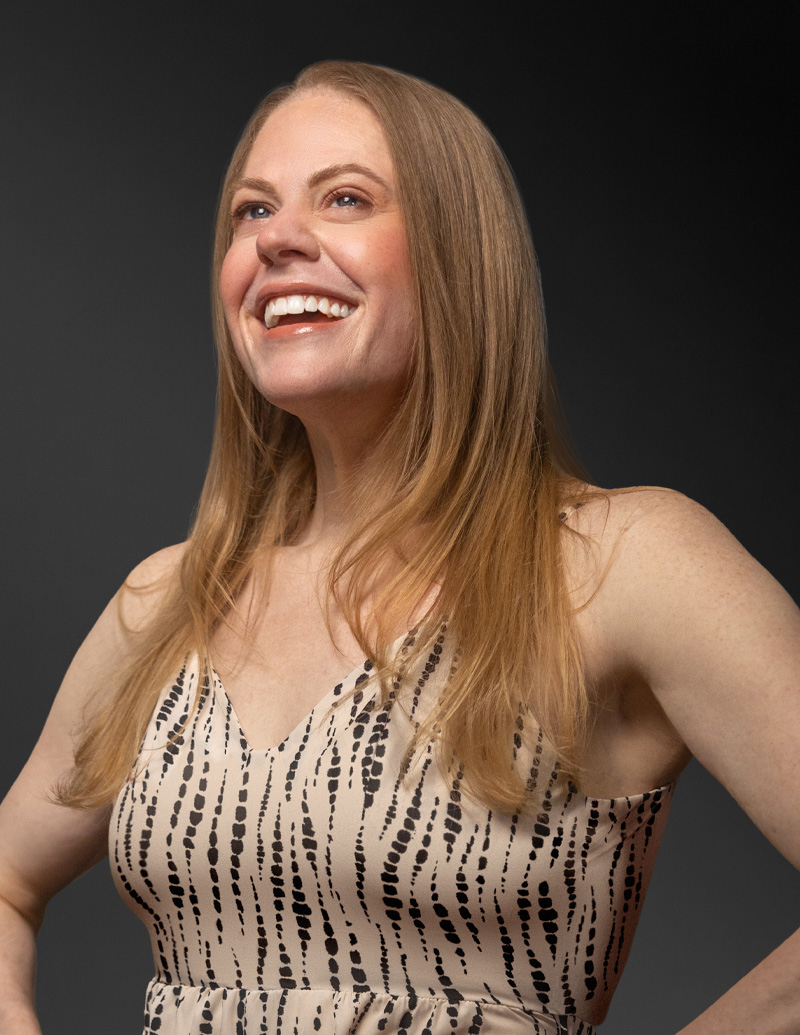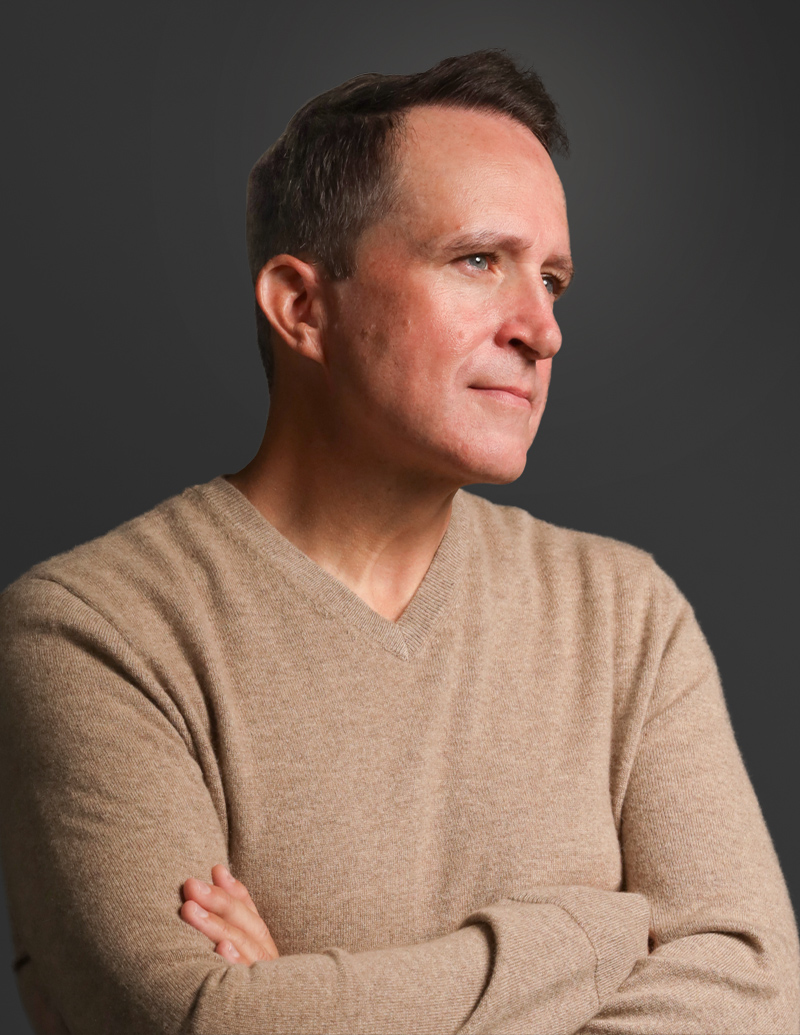
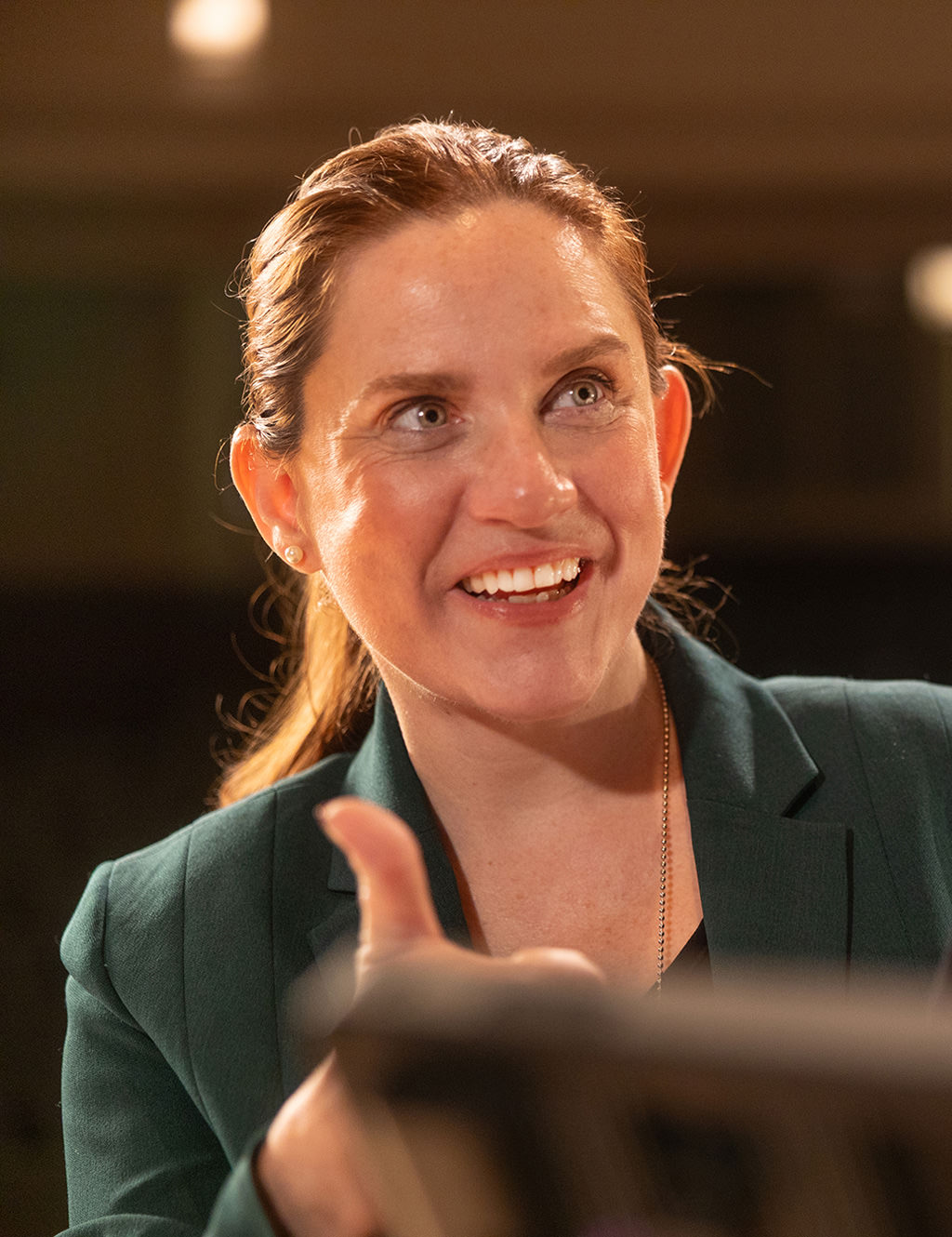
Donna has spent decades playing cops, janitors, moms behind on rent—blue-collar women who are more concerned with affording groceries than looking glamorous.
She prefers these roles, she says. They’re funnier, more interesting, closer to the women she grew up with in Rochester, NY. Her job is looking believable. Her face is her livelihood.
So when a genetic condition her family had always called “bullfrog neck” started causing sleep apnea and affecting her singing, she went looking for a medical fix, not a cosmetic one. She found it at the Quatela Center for Plastic Surgery.
A character actress walked into a plastic surgeon’s office. What she found was an artist who understood exactly what she wanted him to do—and respected what she didn’t.
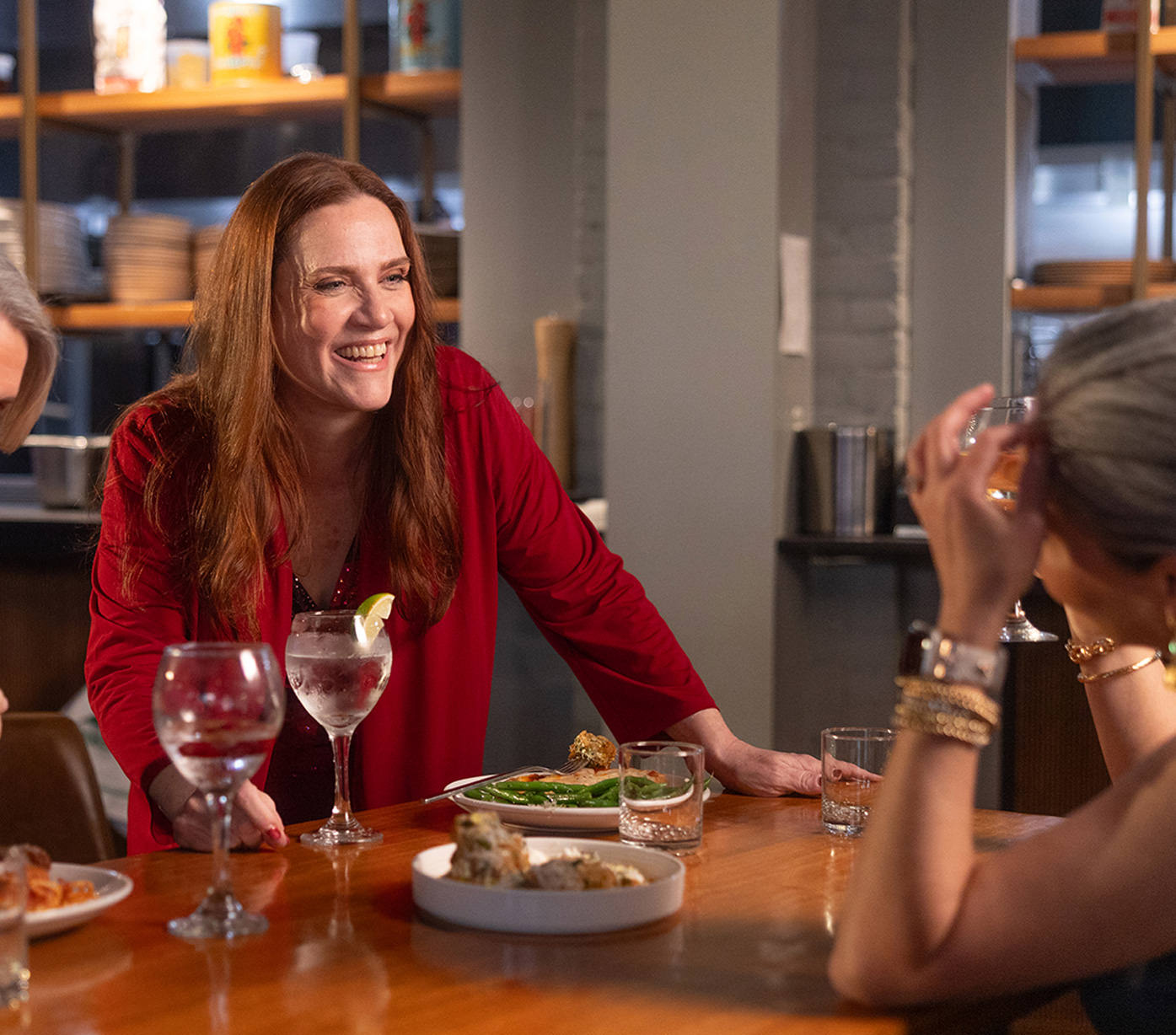
Donna’s surgeon, Dr. Vito Quatela, told her that to correct the underlying structure and have the result look natural, he’d need to do a lower facelift. Her response was immediate.
“Nope. No facelift. I can’t look like someone who’s had work done.”
But something about Dr. Quatela changed her mind. He mapped her facial anatomy by touch, diagnosing misaligned salivary glands, explaining exactly what he’d do and why. Other consultations had felt like a menu. This felt like a sculptor thinking with his hands.
“I just got a feeling from him that he was an artist,” she says.
She agreed to the facelift—on her terms. “Keep the wrinkles,” she said. “I worked hard for them.” They were part of the characters that she plays. Don’t touch the asymmetrical ear, an imperfection that has become something like a calling card.
“I know I’m making you crazy,” she told him. As an artist herself, she understood what she was asking of Dr. Quatela: the feeling of having a vision and being asked to leave part of it on the table.
But at her two-week follow-up, Dr. Quatela stepped back and studied the result. In decades of practice, he told her, no one had asked him to leave those things alone.
“I didn’t think I would like that as much as I do,” she recalls him saying, “but I do.” She’d brought him somewhere new, too.
Donna came to Quatela for a medical condition, but she didn’t fully realize what she’d been carrying until her “bullfrog neck” was gone.
For years, a part of her brain had always been aware of camera angles, cracking jokes on set as a way to soften what she knew she’d see on playback. Then she filmed an episode of Chicago PD, the same kind of role she’d always played. When she watched it back, she realized she had no memory of where the camera was—just the fun that she’d had on set that day.
Her work, she says, is better. It’s not because she looks different, but because the characters she loves are finally getting everything she has.
“Who I am has been uncovered,” she says.
“I was in there all along.”
Start a conversation about what’s possible at Quatela.
Schedule a ConsultationHear from Donna
Discover More Transformation Stories.