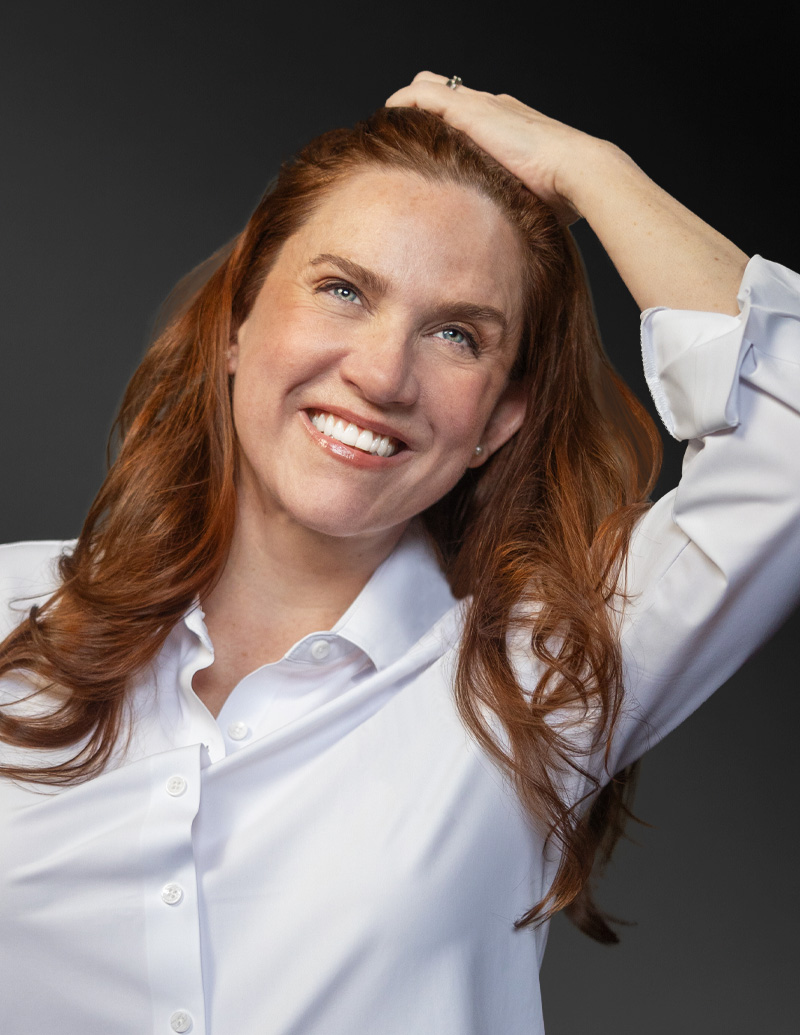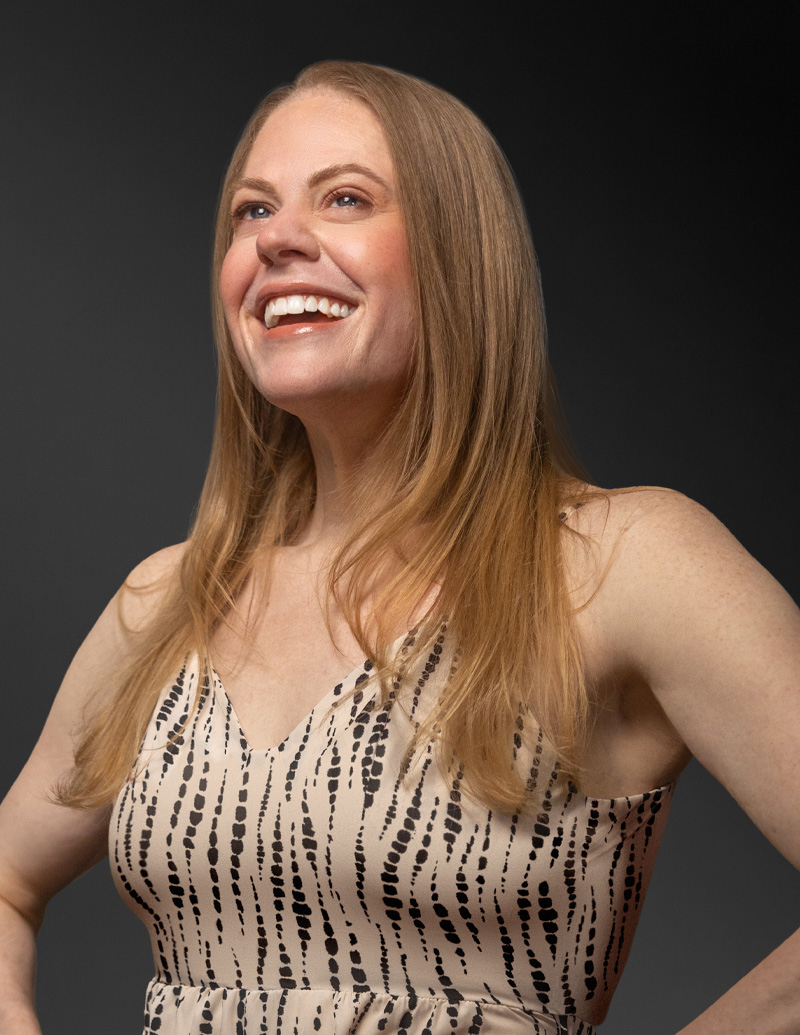

Losing his hair wasn’t in David’s control. Doing something about it was.
The reel was on fire from the drag. It had been a quiet morning fishing the marshes south of New Orleans until David had hooked a blacktip shark. It was running, and the avid fisherman from the Finger Lakes was almost out of line.
But David’s not the type of person to let things get away from him.
Done Hiding
David’s hair started thinning in his late 20s. For 15 years, he wrestled with his appearance, wearing baseball caps and stretching haircuts to six or eight weeks, angling for thickness that wasn’t there.
As he was building his career in health care technology, rising to chief information security officer for a health system in Louisiana, a mentor had told him, “You are your brand.”
“That always stuck with me,” he says. “I remember thinking, is my brand a broken-down car? A forest with no trees left?”
One day, his longtime barber held a few remaining strands at the front of David’s head. As he worked carefully around them, he told David, “Your hair is difficult to cut.”
David had felt that every day, but hearing it out loud shifted something.
“I knew I had to do something other than hide.”

As David started considering surgical treatment, he knew he wasn’t looking for someone to pacify him. Family and friends had done that for years, telling him he looked fine, that he didn’t need to change.
“They love you the way that you are, and that’s exactly why they can’t help you,” he says. “I was looking for someone to understand how I felt.”
Dr. Heather Lee was different. She didn’t pretend like everything was fine. Instead, she prepared him for exactly what to expect. The shedding, the itching, the scalp acne, the phase where it looks worse before it looks better could be unpleasant, but they were proof of recovery. She gave him a realistic plan, and it was one he could trust.
“I spent 15 years hiding. That consult cost me an hour.”
David still sees the same barber. He gets his hair cut every three weeks now. He goes shorter, just the way he likes it.
“There’s nothing to strategize and nothing to hide,” he says. “That chair for me used to be the worst seat in Rochester. Now it’s just a chair.”
At work, people noticed something had changed but couldn’t put a finger on it. Eventually, David told them himself in a “reintroduction” presentation. When he got to his before-and-after photos, the team chat started lighting up.
It was a story that he didn’t have to share. He chose to, and they were hooked.
“The hardest part of the whole thing,” he says, “was making that first appointment.”
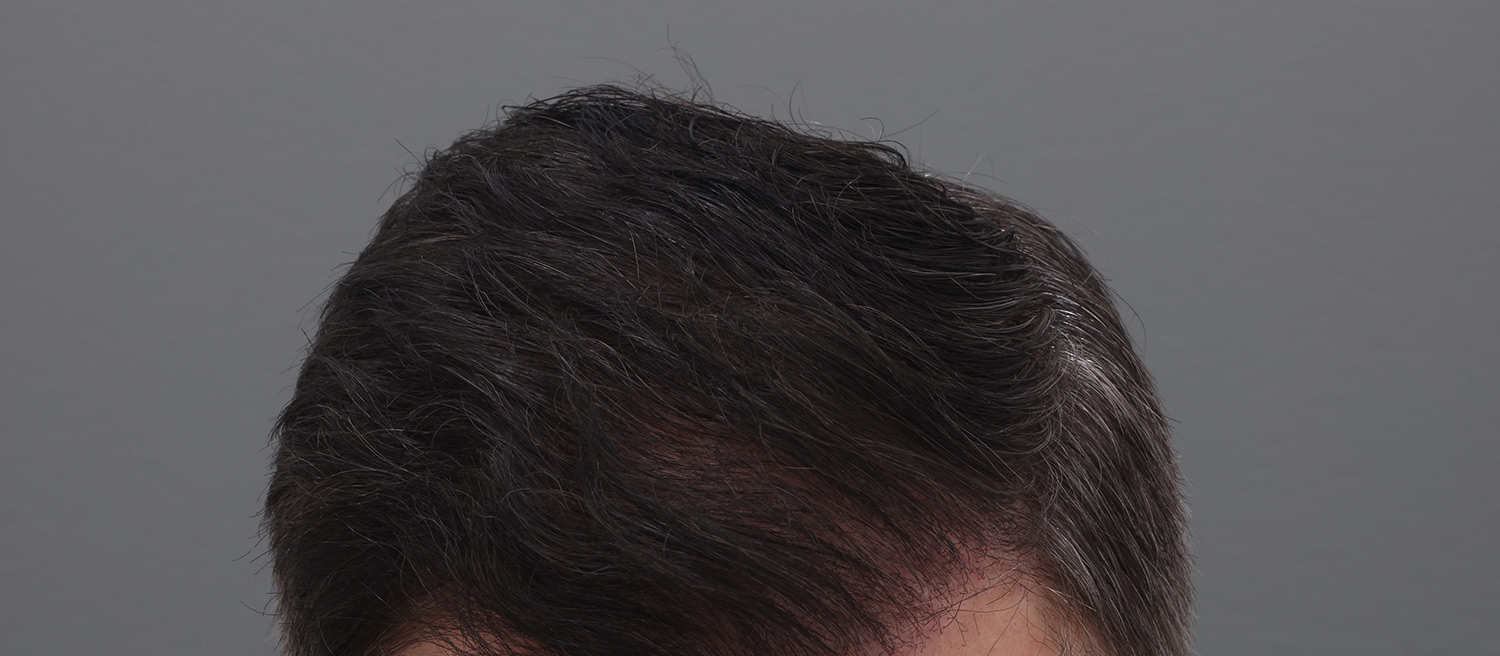 After
After
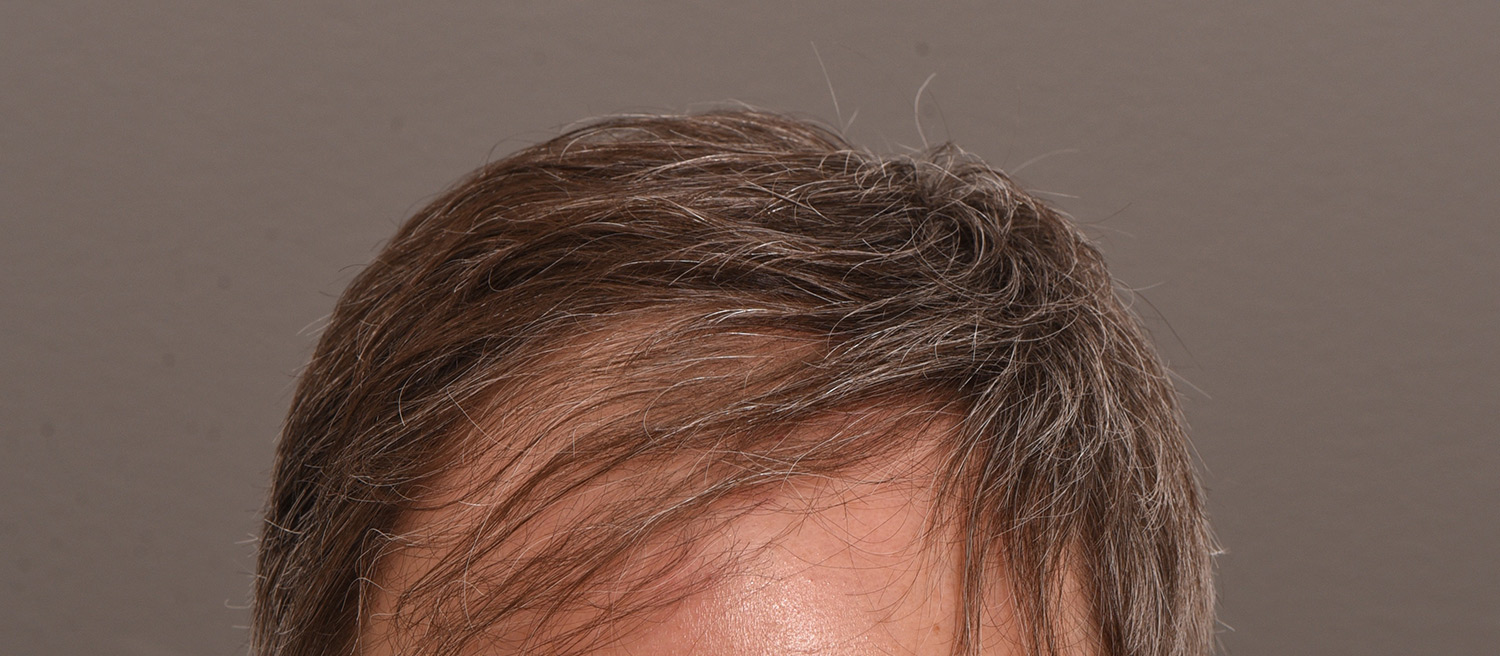 Before
Start a conversation about what’s possible at Quatela.
Schedule a ConsultationHear from David
Discover More Transformation Stories.