
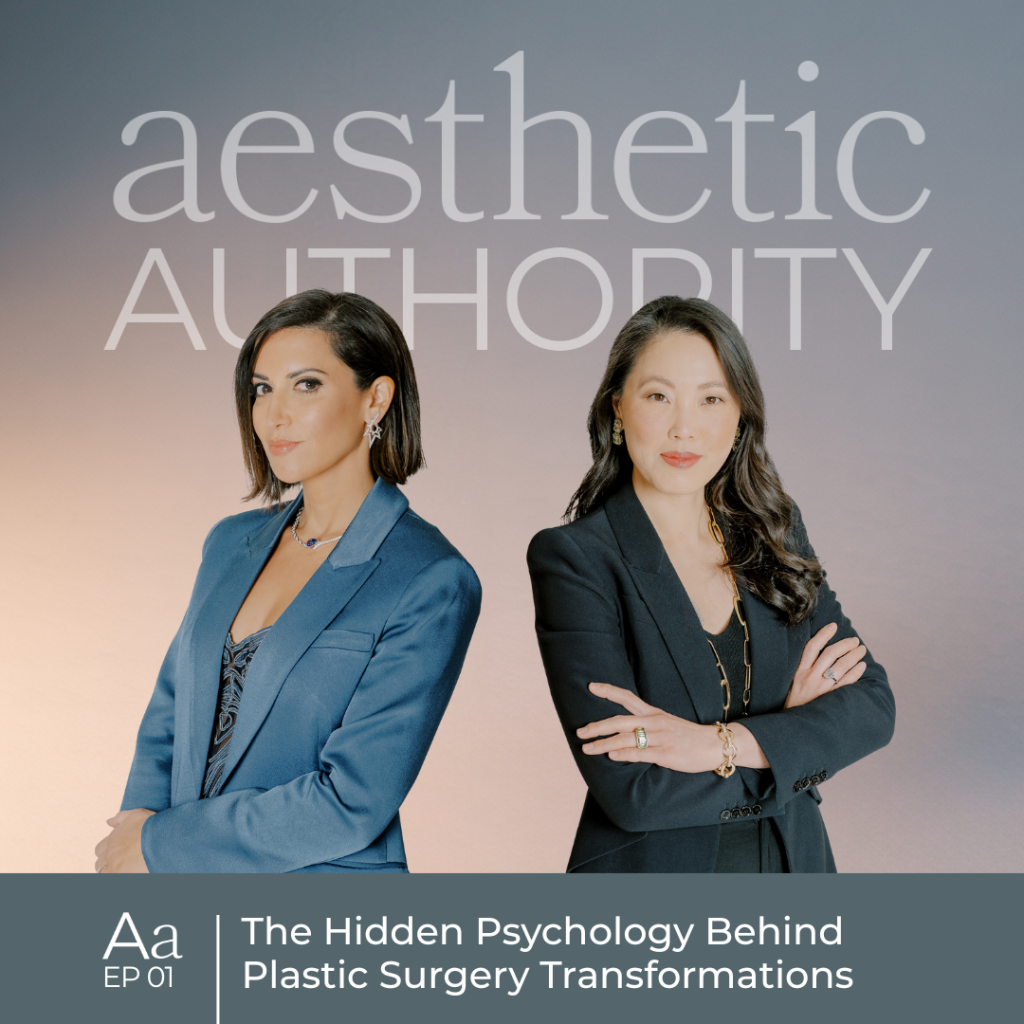
A conversation with Dr. Ashley Amalfi and Dr. Heather Lee
When Dr. Ashley Amalfi and Dr. Heather Lee sit down to discuss their work at the Quatela Center for Plastic Surgery, the conversation quickly moves beyond surgical techniques and aesthetic outcomes. What emerges is something far more profound—a glimpse into how transformation in plastic surgery extends well beyond physical appearance.
“The thing I’m most proud of is not something beautiful I create, it’s how I change how people feel,” Dr. Lee shares, her voice reflecting years of witnessing these profound shifts. It’s a sentiment that captures the heart of what truly happens within the historic walls of the Lindsay House.
The Vulnerability of Beginning
The journey often starts with vulnerability. Patients arrive carrying insecurities they’ve harbored for years, sometimes decades. For many, simply articulating what bothers them represents a significant emotional hurdle.
“It is a very vulnerable time for patients when they come in and talk about something that they are not loving about themselves or something that’s always bothered them,” Dr. Amalfi explains. This vulnerability becomes the foundation of trust between surgeon and patient—a relationship that will guide them through a transformative journey together.
These concerns often surface at pivotal life moments. Dr. Lee notes that facial rejuvenation patients frequently seek her care during major life transitions—career changes, relationship milestones, or significant family events. For Dr. Amalfi’s patients, the catalysts differ but carry equal weight: new mothers reclaiming their bodies after years of pregnancy and caregiving, or women navigating the hormonal changes of menopause.
“I see a lot of moms who have just had kids and are ending the chapter of sharing their body with their baby,” Dr. Amalfi observes. “They’re shifting that focus back to themselves, which is amazing, but a very huge transformation.”
The Role of Support
Throughout their conversation, both surgeons emphasize something that might surprise those unfamiliar with plastic surgery: the critical importance of emotional and practical support systems.
“Support is so important,” Dr. Lee stresses. “Not just the support we provide here in the practice, but the support patients have at home—the permission to do something for themselves and feel accepted for wanting it.”
This support manifests in different ways. Partners who participate in consultations gain understanding of the investment—both emotional and physical—their loved ones are making. Friends who’ve undergone similar journeys often provide the encouragement needed to take that first step. Family members who can assist during recovery make the practical aspects possible.
“I would love for partners to be involved in the consultation process because they’re integral in the decision-making,” Dr. Amalfi notes. “It’s important for them to receive the same messaging that the patient does.”
When Surgery Isn’t the Answer
Perhaps most revealing is the doctors’ candor about when surgery isn’t appropriate. Both emphasize their responsibility to sometimes say no—one of the most challenging aspects of their work.
“I’m a surgeon, I love to operate,” Dr. Amalfi admits with a laugh. “So the hardest thing is to say ‘not now’ to a patient.”
Several factors might prompt postponement: unrealistic expectations, insufficient social support during recovery, health concerns that need addressing first, or signs that a patient’s focus on perceived flaws might indicate body dysmorphic disorder.
“I spend a lot of time in consultations asking: What are you looking for? What’s going to make you happy? What’s going to make you very upset?” Dr. Lee explains. This thorough exploration of expectations ensures alignment between what patients hope to achieve and what surgery can realistically deliver.
Both surgeons emphasize they’re not trying to create someone new—they’re enhancing what makes each patient uniquely themselves. “I’m not trying to recreate you,” Dr. Lee clarifies. “I’m trying to take the best of whatever you have and heighten that to the highest degree.”
The Digital Age of Transparency
Social media has transformed how patients discover and evaluate plastic surgeons, and both doctors embrace this shift. Rather than diminishing their practice, digital platforms have created more informed, prepared patients.
“People are looking at social media not just for before and afters—they’re understanding the whole transformation,” Dr. Amalfi observes. “They’re filming themselves every day of the journey, whether it’s good or bad. That’s maybe a little more real than we’ve ever gotten.”
This transparency extends to celebrities and influencers increasingly sharing their plastic surgery journeys. “It’s so new, but it’s so helpful for our patients,” Dr. Lee notes. This openness normalizes conversations around aesthetic procedures and helps set realistic expectations about recovery.
For many patients, following surgeons on social media for months or even years before scheduling a consultation builds trust and understanding. “They feel like they know me as a person,” Dr. Amalfi shares. “The guard is down, they feel comfortable with me, and then they make the call.”
The Moment Everything Changes
Ask either surgeon about the most fulfilling aspect of their work, and the answer is immediate and heartfelt: witnessing patients at their final follow-up appointments.
“They walk in differently,” Dr. Amalfi describes, her enthusiasm evident. “They walk in with confidence. They’re so excited to look at what you did, how they feel, their new clothes. They want to tell you about their job, the vacation they went on with their family, the picture they took in a bathing suit that they would’ve normally hidden from.”
These transformations ripple outward in unexpected ways. Young rhinoplasty patients head to college unburdened by the insecurity that once preoccupied them. Post-pregnancy patients invest newfound energy into their careers and relationships. Facial rejuvenation patients pursue dreams they’d deferred—learning Italian in Italy at sixty, pursuing new career opportunities, strengthening relationships.
“When you feel good about yourself and you’re not devoting all this mental energy to obsessing about these insecurities, that’s so much mental space to care for and love everyone around you,” Dr. Lee reflects.
Dr. Amalfi captures perhaps the most powerful aspect of this transformation: “It’s self-love that you’re feeling and you’re recasting out into the world.”
A Rediscovery, Not a Reinvention
What emerges from this conversation is a nuanced understanding of plastic surgery’s role in people’s lives. For some patients, it’s about transformation—changing something they’ve never felt reflected their true self. For others, particularly Dr. Lee’s facial rejuvenation patients, it’s about rediscovery.
“I have patients who find that it’s not so much transformation—it’s this rediscovery,” Dr. Lee explains. “When they say, ‘I know this person that I see in the mirror,’ I think that’s so powerful.”
This distinction matters. It acknowledges that the goal isn’t to become someone else, but to feel aligned with one’s internal sense of self—to have the external reflection match the internal reality.
“It’s the part you keep the longest,” Dr. Lee observes, referring not to the physical results but to the confidence and self-acceptance that follow. “They can embark on new chapters of their life. Something that felt like it held them back is released.”
The Partnership of Transformation
Throughout their conversation, both surgeons return to a central theme: the collaborative nature of this journey. Success requires partnership between patient and surgeon, built on trust, clear communication, and shared understanding of goals and limitations.
“It’s a partnership,” Dr. Amalfi affirms. “It always is.”
This partnership begins when patients find the courage to articulate what bothers them, continues through honest conversations about expectations and realistic outcomes, extends through the surgery and recovery process, and ultimately results in transformations that reach far beyond the operating room.
At the Quatela Center for Plastic Surgery, housed in the historic Lindsay House, Drs. Amalfi and Lee witness these transformations daily. They see patients walk through their doors carrying years of insecurity and walk out months later with renewed confidence, ready to fully engage with their lives, families, and futures.
“We get to see that shift in people’s level of confidence every day,” Dr. Amalfi reflects. “The psychological transformation is almost more impressive than the physical one.”
And perhaps that’s the essential truth about plastic surgery’s real impact—it’s measured not in millimeters or proportions, but in the mental clarity, renewed confidence, and liberation that patients carry forward into every aspect of their lives.
Leave a Reply