Quatela Center for Plastic Surgery
973 East Avenue
Rochester, NY 14607
Phone: (585) 244-1000
Fax: (585) 271-4786
Monday–Friday: 8:30 a.m.–5 p.m.
Cheek Augmentation
The cheek augmentation procedure enhances the cheek area to create fuller, more defined cheeks. While many patients seek this procedure to improve harmony among facial features, it can also be a long-term solution to create a more youthful, full facial profile. High, full cheekbones have long been considered beautiful, sought by many women for generations. Through cheek augmentation, both women and men can maintain a youthful, balanced appearance.
Provider: Dr. Vito Quatela

Benefits of Cheek Augmentation
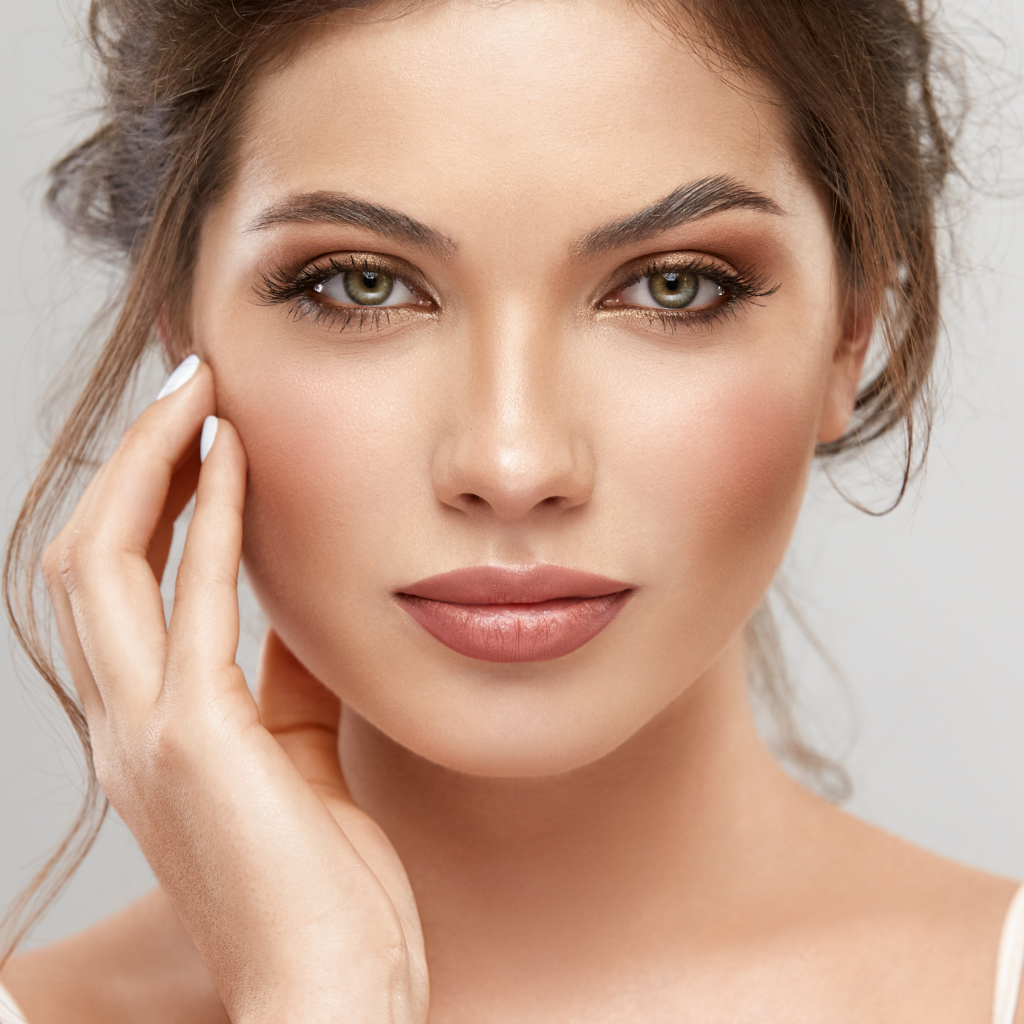
The cheek augmentation procedure involves minimal recovery and can achieve dramatic but natural-looking results. Through the cheek augmentation process, patients can resolve unevenness in the mid-face region, restore lost volume from the cheek area, provide added dimension for the cheeks and face, balance the profile, and create better overall facial harmony. Many patients of cheek augmentation tend to be female, as high, full cheekbones are consider an important aesthetic feminine quality. Alternately, male patients can also benefit from the balance of a facial profile and fullness through a cheek augmentation procedure.
The Cheek Augmentation Consultation
During a cheek augmentation consultation, you will meet with on of our facial plastic surgeons to discuss your questions about the procedure and your aesthetic goals. Your previous medical history, past surgeries, present medical conditions, and other relevant information about your physical health will be discussed. It is important to be honest about your medical history as safety is the most important factor when creating a surgical plan.
As a cheek augmentation patient, you will have several types of treatment available to you. Cheek augmentation can be accomplished with non-surgical methods through injectable fillers as well as surgically through fat transfer or the use of cheek implants. Your surgeon will examine your facial dimensions, skin laxity and facial volume to make a recommendation for treatment methods. While surgical implants will require some recovery time, the non-surgical approach will be a temporary solution. Weigh the pros and cons of these options as you talk with your surgeon at your cheek augmentation consultation.
Ideal Candidates for Cheek Augmentation
All cheek augmentation candidates must be in good physical health, not smoke, and have realistic expectations for their potential results. Patients should also be concerned about the balance of their facial structure, the appearance of sunken cheeks, or the effects of aging on mid-face volume and contour. Through your consultation, your surgeon will determine the best methods to achieve your desired results. Many patients who are not qualified or well-suited to a surgical cheek augmentation can get the results they desire through non-surgical means.
The Cheek Augmentation Procedure
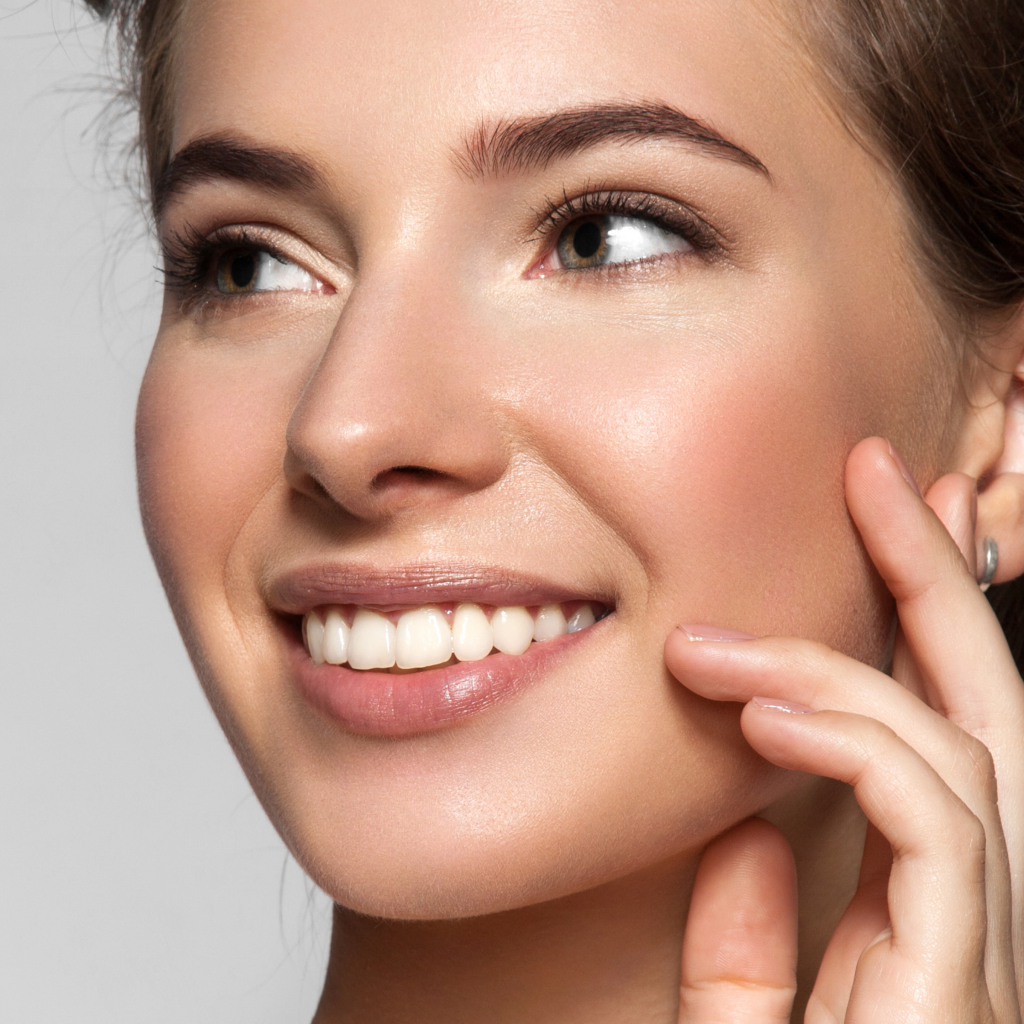
There are both surgical and non-surgical approaches to augmenting the cheeks, so the procedure varies. For the non-surgical cheek augmentation, a numbing agent will be used at the injection site to minimize any pinching or discomfort you will experience. Then, your surgeon will carefully inject the injectable filler to create the desired volume and contour of the cheeks.
For a surgical cheek augmentation, an incision will be made on the inside of the mouth. Your surgeon will gently insert the cheek implant or implants to create the desired facial contour. The implants will be anchored to the cheek bones for stability, leaving you with a long-lasting solution to sunken cheek bones, imbalance, or lost volume from the mid-face.
Recovery from Cheek Augmentation Procedures
The recovery from a surgical cheek augmentation includes some swelling, mild discomfort, and bruising. Your surgeon will prescribe pain medication to surgical cheek augmentation patients as needed, while also recommending measures to alleviate your discomfort during the first few days following your procedure. Injectable procedures may only result in very minor irritation of the injection site itself, along with minor bruising and swelling. All of these symptoms are expected post-operatively and typically subside on their own with time. If you have any specific concerns or experience unexpected side effects, contact our office for assistance.
Choosing the Right Facial Plastic Surgeon
Triple board-certified facial plastic surgeon Dr. Vito Quatela and double board-certified facial plastic surgeons Dr. Heather Lee and Dr. Alex Montague have extensive experience in facial procedures such as cheek augmentation. Their mission is to improve people’s lives by aesthetically enhancing their appearance, increasing their personal confidence, and creating a customized treatment plan for each of his patients depending on their aesthetic goals.
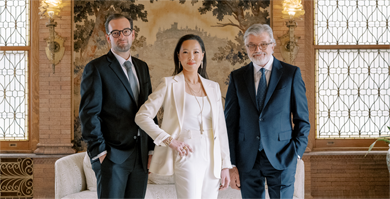
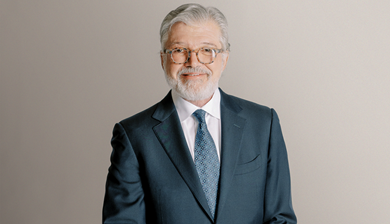
Dr. Vito C. Quatela is a triple board-certified facial plastic and reconstructive surgeon with over 30 years of experience performing facial rejuvenation procedures. Dr. Quatela is a past president of the American Academy of Facial Plastic and Reconstructive Surgery and is highly respected by his peers as a recognized expert in all areas of facial plastic surgery, including rhinoplasty, facelift, and other facial procedures.
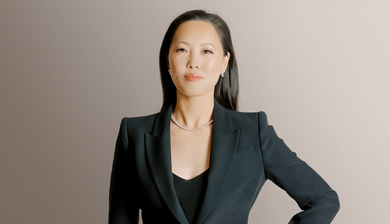
Dr. Heather Lee is a double board-certified facial plastic surgeon and otolaryngologist who has trained extensively with Dr. Quatela. She specializes in both aesthetic and functional procedures and is known for her meticulous surgical results and compassionate care.
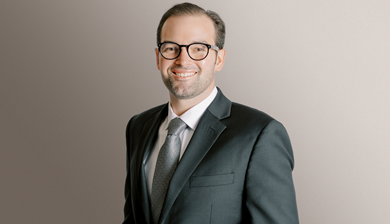
Dr. Alex Montague is a double board-certified facial plastic surgeon and otolaryngologist who trained under Dr. Quatela for a facial plastic and reconstructive surgery fellowship. He has exemplary skills in both technique and patient care and specializes in aesthetic and functional procedures.
Cheek Augmentation Frequently Asked Questions
How long does a cheek augmentation procedure take?
The duration of your cheek augmentation procedure will depend on your treatment plan. Cheek implant surgery usually lasts about one hour, while injectable treatments can be as short as 15 to 30 minutes.
Where will there be scarring after my cheek augmentation?
Non-surgical cheek augmentation may leave a temporary mark at the incision site, but there are no scars associated with the injection. Surgical cheek augmentation patients will have no visible external scars, but may have scarring limited to inside the mouth, where the incisions were made.
How long does cheek augmentation recovery last?
Recovery from cheek augmentation surgery generally takes a few days to one week. Talk to your surgeon about your personal recovery timeline before making plans to return to work or resume any high-impact activities.
What types of implants are used for cheek augmentation?
Cheek implants are made of biocompatible, synthetic materials that are safe to insert and achieve lasting enhancement results. These implants are also removable if a patient would like to reverse the effect in the future.
How can I be sure my cheek augmentation results will look natural?
To achieve natural-looking results, it is important to find a board certified facial plastic surgeon with experience in facial augmentation procedures. Our surgeons are well known for providing natural-looking results with facial plastic surgery.
Should I get cheek implants, fat transfer, or fillers?
There are a number of different options for augmenting or filling out the cheek area, including temporary fillers, semi-permanent fillers, and solutions that last indefinitely, such as fat transfer or cheek implants. Each of these options has its own benefits and limitations, which will be discussed during your consultation appointment along with which might be the best procedure for you.
Will cheek implants look unnatural as I age?
No, cheek implants should not look unnatural as you age. The implants are placed deep underneath the soft tissues of the cheek to minimize the chance of a change in appearance over time as you age.
How is the cheek implant size chosen?
The size of cheek implants is chosen during consultation with your facial plastic surgeon who will take into careful consideration the features of your face and bone structure to ensure the implant complements your features.

As a destination practice offering world-class care, the Quatela Center attracts patients from around the globe. Our virtual consultations and support program take the effort out of travelling for surgery.
How long do fillers in the cheek last?
There are temporary fillers which can last for about a year, semi-permanent fillers that last for several years, and long-lasting solutions, such as fat transfer or implants, which last indefinitely. Sculptra® and Voluma® are usually the fillers that are used. While patient experiences vary, Sculptra® can last two to three years after three or four treatments, while Voluma® generally lasts two years.
Where is the fat harvested for fat transfer to cheeks?
Fat is typically harvested from the abdomen for use in a fat transfer. Several teaspoons of fat are usually all that is necessary to fill the cheeks appropriately and this does not typically change the appearance of the abdomen.
How much is cheek augmentation?
The cost of cheek augmentation varies, depending on your specific needs and goals. All prices quoted from the Quatela Center are all-inclusive and include pre and postoperative appointments, surgeon’s fees, surgery center fees, and anesthesia costs. For more information, see our page on Plastic Surgery Costs.
People who live in Buffalo, Syracuse, and other areas of New York travel to the Quatela Center for Plastic Surgery for cheek augmentation surgery and other facial rejuvenation procedures. Request your consultation using the online form to meet personally with one of our facial plastic surgeons or give our office a call at (585) 244-1000 to schedule an appointment.
The Quatela Center for Plastic Surgery in Rochester is proud to serve patients from throughout Upstate NY. We are honored to be the area’s premier plastic surgery center, and give every patient our undivided attention and the quality of care they deserve. Learn more about how we support our New York patients on their surgical journeys: