Men and women from Rochester, Syracuse, Buffalo, and throughout New York who come to the Quatela Center for Plastic Surgery for eyelid surgery want expressive eyes that communicate an alert, rested appearance. Sometimes patients also suffer from drooping or heavy upper eyelids that can significantly reduce their visual field. Eyelid surgery, technically called blepharoplasty, rejuvenates the area.
Model
Thank You Rochester for Voting Us the Best Plastic Surgery Practice
Quatela Center for Plastic Surgery 973 East Avenue Rochester, NY 14607 Phone: (585) 244-1000 Fax: (585) 271-4786 Monday–Friday: 8:30 a.m.–5 p.m.
Thank You Rochester for Voting Us the Best Plastic Surgery Practice
Eyelid Surgery
Men and women from Rochester, Syracuse, Buffalo, and throughout New York who come to the Quatela Center for Plastic Surgery for eyelid surgery want expressive eyes that communicate an alert, rested appearance. Sometimes patients also suffer from drooping or heavy upper eyelids that can significantly reduce their visual field. Eyelid surgery, technically called blepharoplasty, rejuvenates the area.
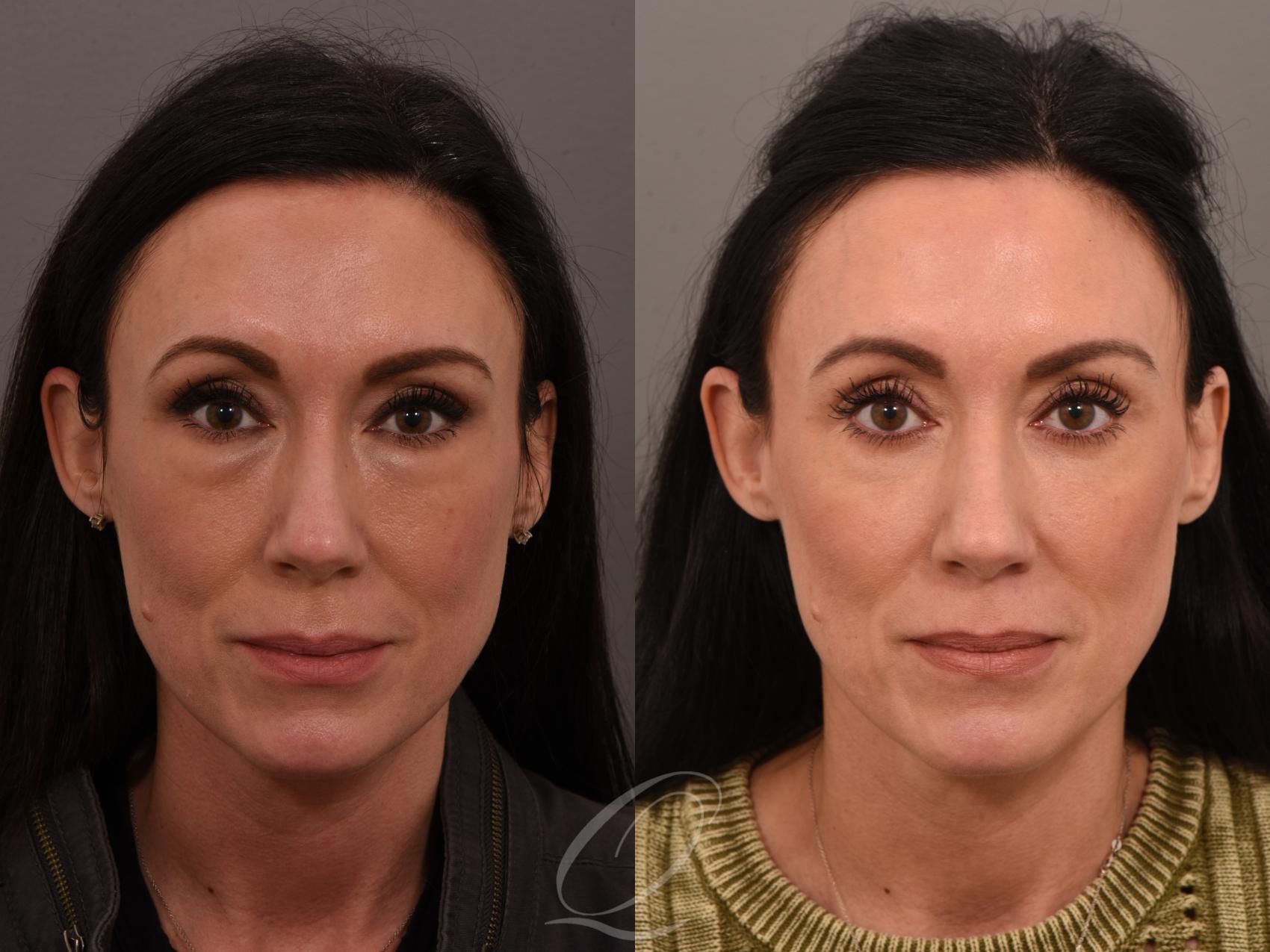
Dr. Quatela removed her under eye bags with a lower blepharoplasty and repositioned the fat where there was hollowness to create a smooth lid to cheek transition.
She is 6 months out and looks like a brand new women!
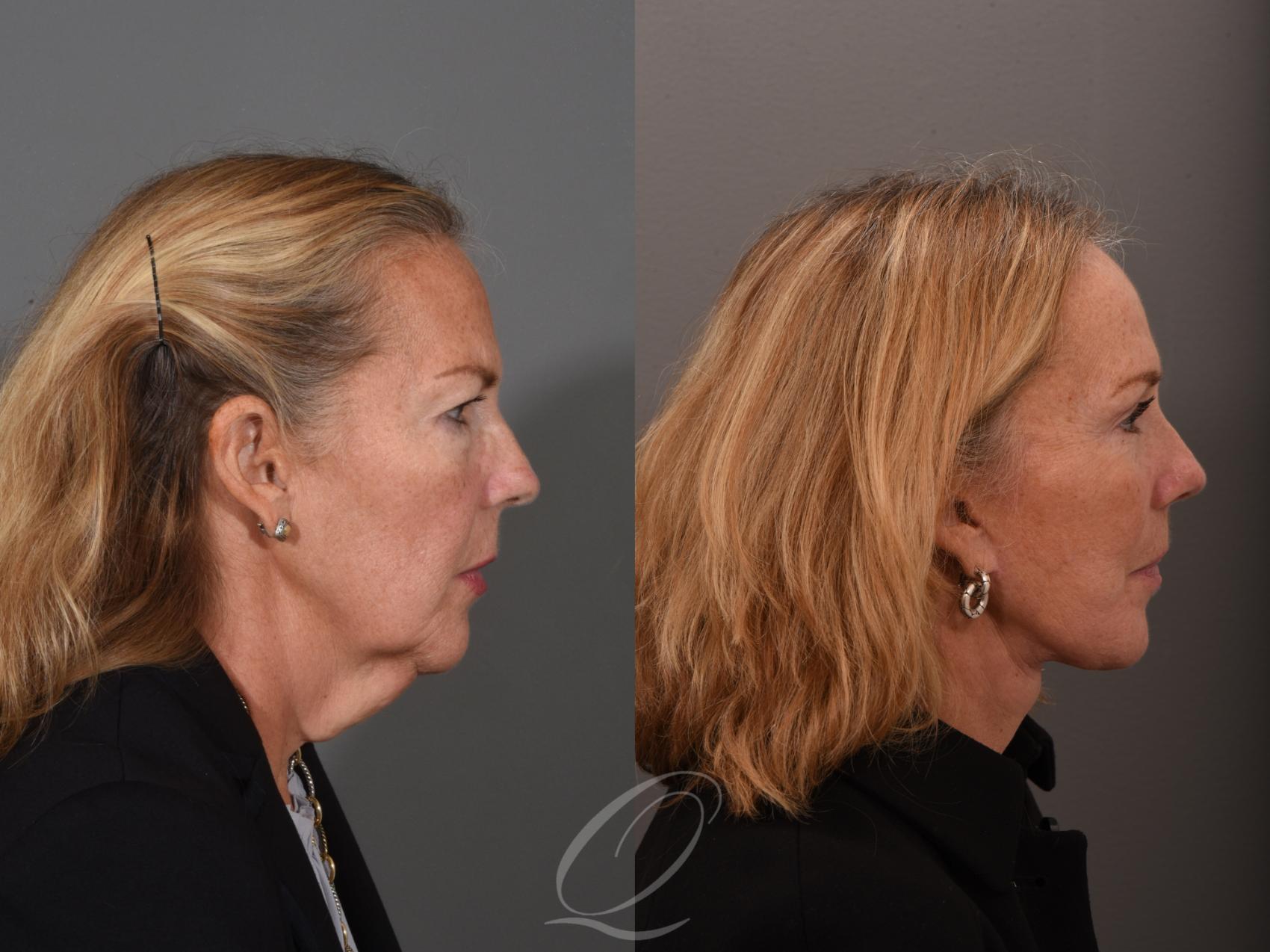
This patient was concerned with her aging face and sought surgical intervention to specifically address her neck and jowling, which bothered her the most. Dr. Montague performed a facelift, endoscopic forehead lift, lower eyelid lift with fat t... Read More
This patient had tried everything to alleviate the puffiness underneath her eyes, which was affecting her self-confidence. She shared that it was genetic on one side of her family, and nothing was working to reduce the appearance of the bulges.... Read More
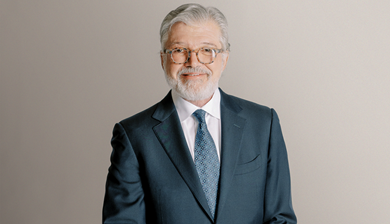
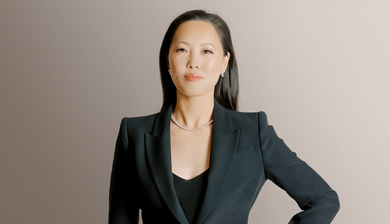
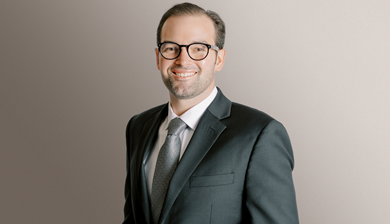
This transformational procedure is safe and effective when performed by Dr. Vito C. Quatela, a respected, triple board-certified facial plastic surgeon with extensive experience performing blepharoplasty; or by Dr. Heather Lee, a board-certified otolaryngologist and board-certified facial plastic surgeon, or Dr. Alex Montague, a board-certified facial plastic surgeon and board-certified otolaryngologist, who have both trained extensively with Dr. Quatela.
At the Quatela Center for Plastic Surgery, eyelid surgery patients get consistently excellent results that give them the youthful appearance they desire. Dr. Lee and Dr. Montague’s expertise in functional eyelid surgery allows their patients to enjoy restored sight and improved vision after excess tissue in the upper eyelid is removed or repositioned.
Ideal Candidates for Eyelid Surgery
Men and women frustrated with loose, sagging skin and accumulated fat along the upper or lower eyelid may be good candidates for cosmetic blepharoplasty (eyelid surgery). Those who have obscured vision due to upper eyelids weighed down with excess tissue may be good candidates for functional blepharoplasty. Patients should be in overall good health, understand the eyelid lift procedure, and have reasonable expectations for their results. All skin types and ethnicities can benefit from the procedure. During your consultation, your surgeon determines if blepharoplasty is right for you.
What Test Is Used for Functional Blepharoplasty?
Three eye tests can determine whether your vision is obstructed enough for a functional procedure:
Visual field test
Schirmer’s test for tear production
Visual acuity test
Upper Eyelid Surgery
Our surgeons perform upper eyelid surgery as an outpatient procedure in our on-site surgical center. Through incisions placed along the crease of the upper eyelid, the surgeon removes excess fat pockets and lax skin. The surgeon then closes the incisions with fine sutures.
Get the Latest News and Specials
Lower Eyelid Surgery
This procedure, often combined with upper eyelid surgery, is also an outpatient procedure. Depending on the patient’s needs, the incisions are either placed within the lower eyelid (transconjunctival incisions) or just below the eyelashes along the lower eyelid. Through the incisions, the surgeon redistributes the fat to reduce under-eye bags and tightens the skin and muscles. For transconjunctival procedures, dissolvable sutures are used.
What Procedures Can Be Combined With an Eyelid Lift?
Many patients decide to enhance their facial rejuvenation by combining other procedures with their eyelid surgery. Options commonly include:
What Is the Recovery Like After Eyelid Lift Surgery?
Recovery from upper and lower eyelid surgery generally follows the following timeline (experiences vary):
Day of surgery: Patients return home in the care of an adult friend or family member. Most patients are surprised to experience very little discomfort. Ice packs should be applied as directed. Keep the head elevated at all times for the first 7 to 10 days.
3 to 4 days: Sutures are removed if needed.
1 to 2 weeks: Patients are usually ready to return to work and other nonstrenuous activities. Swelling and bruising around the eyes fade. Residual bruising can be camouflaged with makeup, which can be taught to you by our experts at Q the Medical Spa at Lindsay House.
3 weeks: Restrictions are typically lifted, and most patients are cleared to resume strenuous activities and heavy lifting.
6+ months: Final results are achieved when all swelling has faded.
Dr. Vito C. Quatela is a triple board-certified facial plastic and reconstructive surgeon with over 30 years of experience performing facial rejuvenation procedures. Dr. Quatela is a past president of the American Academy of Facial Plastic and Reconstructive Surgery and is highly respected by his peers as a recognized expert in all areas of facial plastic surgery, including rhinoplasty, facelift, and other facial procedures.
Dr. Heather Lee is a double board-certified facial plastic surgeon and otolaryngologist who has trained extensively with Dr. Quatela. She specializes in both aesthetic and functional procedures and is known for her meticulous surgical results and compassionate care.
Dr. Alex Montague is a double board-certified facial plastic surgeon and otolaryngologist who trained under Dr. Quatela for a facial plastic and reconstructive surgery fellowship. He has exemplary skills in both technique and patient care and specializes in aesthetic and functional procedures.
What is the difference between brow lift vs. eyelid lift surgery?
Sometimes drooping of the upper eyelids is related to a drop in the position of the brow over time. Depending on your concerns, either a brow lift or an upper blepharoplasty may be better at addressing drooping skin on the upper eyelids or brow. Often, patients benefit from a combination of the two procedures. A consultation appointment with one of our facial plastic surgeons will give you the opportunity to discuss which procedure would be better for you.
Will my vision be affected after eyelid surgery?
No, your vision should not be affected by blepharoplasty. Some patients may experience increased dryness that is usually temporary and treated with drops and other topical medications. Our surgeons prescribe eye drops and ointment to use immediately after surgery; sometimes these medications can make the vision temporarily blurry after application but this goes away rapidly.
Should I get filler in my tear troughs or lower eyelid surgery?
Depending on your particular concerns, either filler, eyelid surgery, or both may be an option for you to treat puffy bags, hollows, or dark circles underneath the eyes. During your consultation, your surgeon will talk with you about your concerns and recommend the best procedure for you.
Model
Surgical Destination
We’re Worth The Trip!
As a destination practice offering world-class care, the Quatela Center attracts patients from around the globe. Our virtual consultations and support program take the effort out of travelling for surgery.
Do I have to have both my upper and lower eyelids done at the same time?
No, you do not need to have both upper and lower blepharoplasty done at the same time. You can choose eyelid surgery at our Rochester, NY, practice to have your upper, lower, or both sets of eyelids done, depending on your concerns and desired result.
Will I have visible scars from an eyelid lift?
Upper eyelid lift scars are concealed in the natural crease where they are not noticeable. Lower eyelid lift scars are either inside the eyelid or in a fold of the lower eyelid. These scars are very thin and typically fade over the months after surgery until they are inconspicuous.
People who live in Buffalo, Syracuse, and other areas of New York travel to the Quatela Center for Plastic Surgery for eyelid surgery and other facial rejuvenation procedures. Request your consultation using the online form to meet personally with one of our facial plastic surgeons or give our office a call at
(585) 244-1000 to schedule an appointment.
Model
For Our New York Neighbors
Quatela Center for Plastic Surgery
The Quatela Center for Plastic Surgery in Rochester is proud to serve patients from throughout Upstate NY. We are honored to be the area’s premier plastic surgery center, and give every patient our undivided attention and the quality of care they deserve. Learn more about how we support our New York patients on their surgical journeys: