Fat transfer, also called fat grafting or fat injections, is just one of many procedures the Rochester plastic surgeons at the Quatela Center for Plastic Surgery use to treat smile lines and lip wrinkles for patients from Syracuse, Buffalo, and throughout New York. This procedure is only helpful if the smile lines are not due to excess skin and muscle laxity, in which case a facelift is likely a better recommendation.
Model
Thank You Rochester for Voting Us the Best Plastic Surgery Practice
Quatela Center for Plastic Surgery 973 East Avenue Rochester, NY 14607 Phone: (585) 244-1000 Fax: (585) 271-4786 Monday–Friday: 8:30 a.m.–5 p.m.
Thank You Rochester for Voting Us the Best Plastic Surgery Practice
Fat Transfer
Fat transfer, also called fat grafting or fat injections, is just one of many procedures the Rochester plastic surgeons at the Quatela Center for Plastic Surgery use to treat smile lines and lip wrinkles for patients from Syracuse, Buffalo, and throughout New York. This procedure is only helpful if the smile lines are not due to excess skin and muscle laxity, in which case a facelift is likely a better recommendation.
What Is Fat Transfer?
Fat transfer is a plastic surgery procedure that involves removing fat from one area of the body, purifying it, and injecting it into another area. Fat is typically harvested during neck liposuction in combination with a facelift to be used in injections for the smile lines and lips.
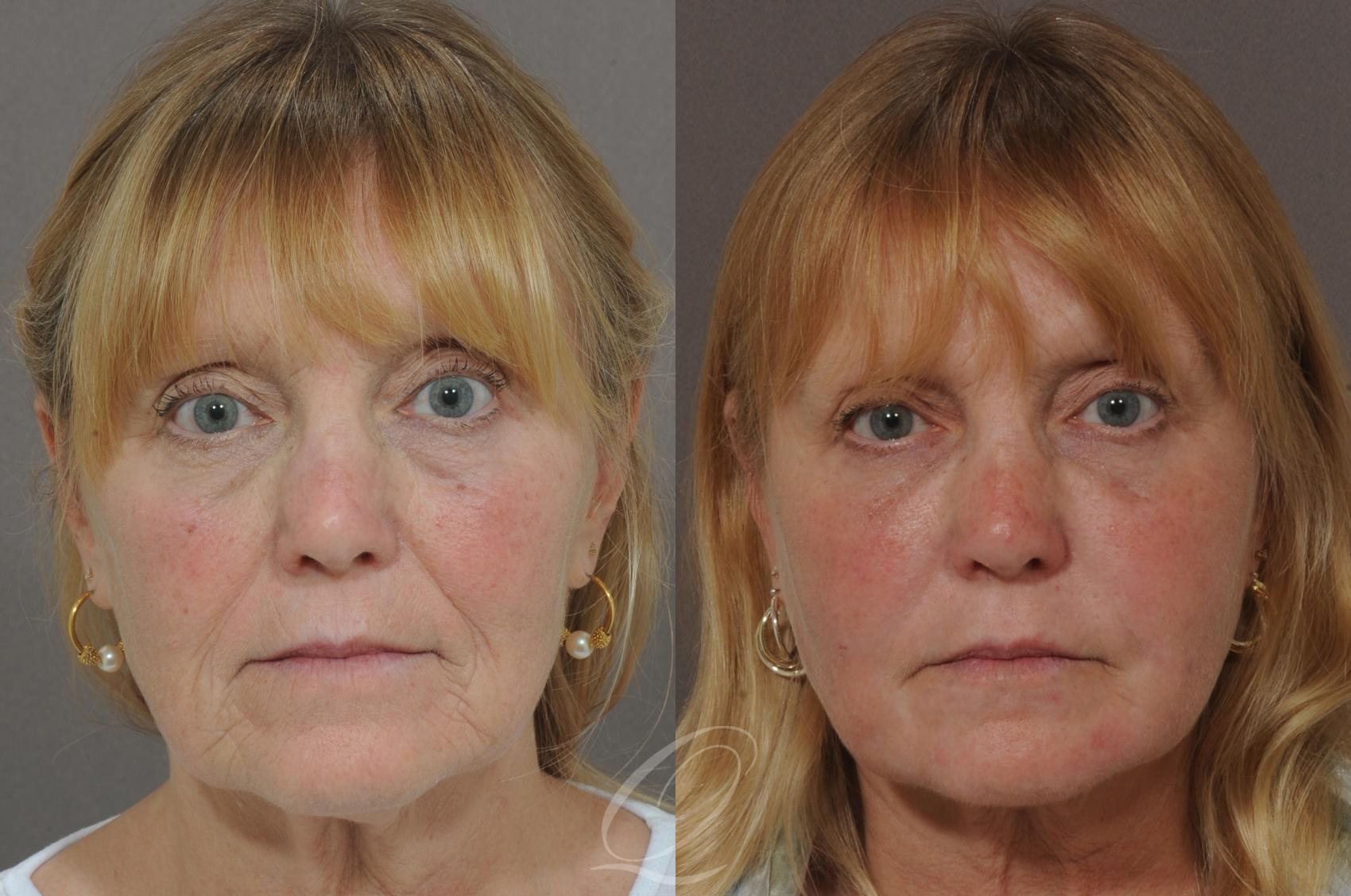
This patient consulted with Dr. Quatela to discuss a facelift procedure. She was concerned with her neck and hoped to lift the area. After a thorough meeting, Dr. Quatela put together a surgical plan that included a facelift, an endoscopic fore... Read More
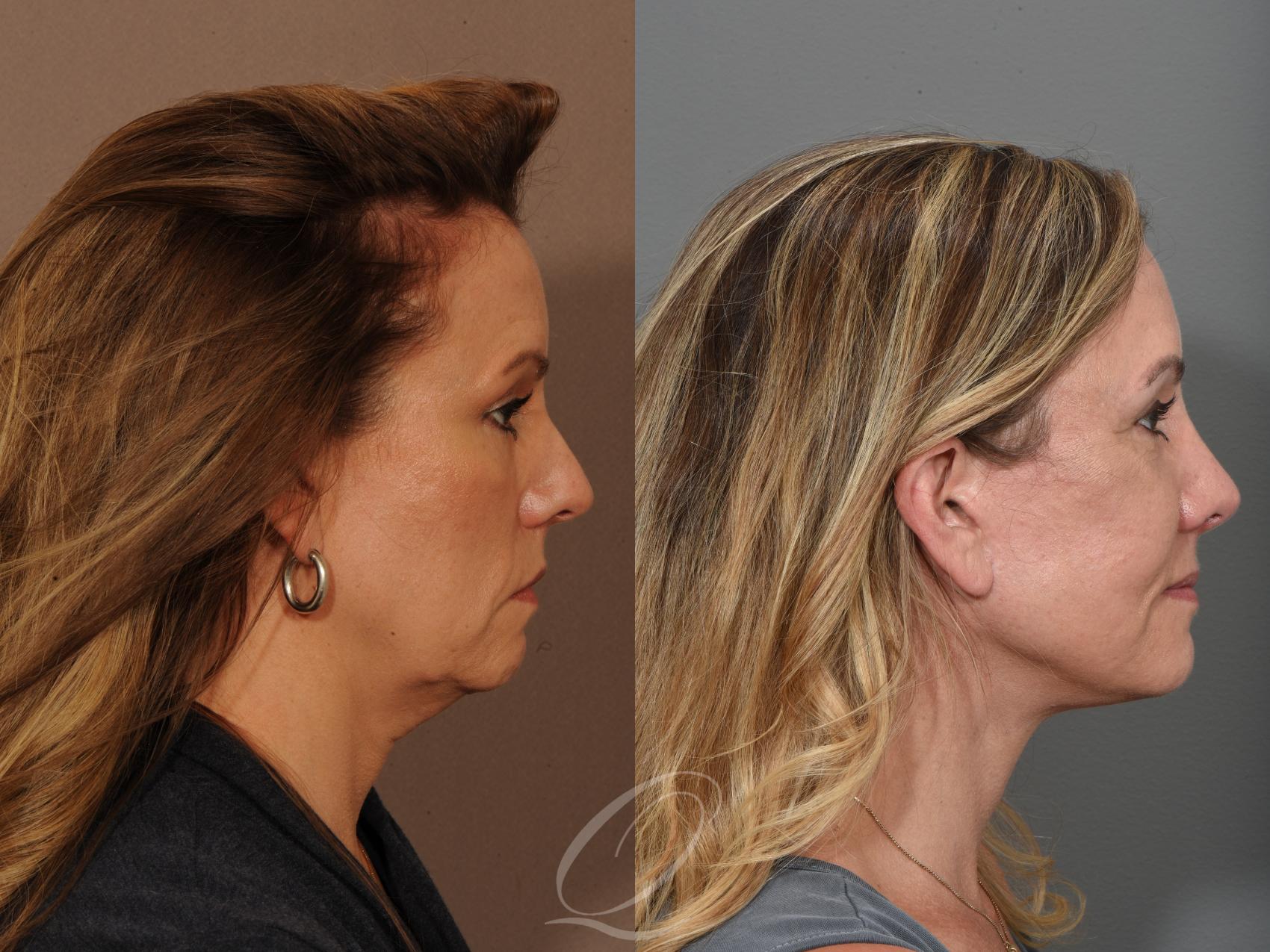
This patient came to Dr. Lee for a consultation after trying numerous treatments to accomplish her goals. She finally decided that it was time for something more permanent and was ready to discuss surgery. After a thorough meeting together, Dr.... Read More
This patient was unhappy with the aging of her face, mainly skin laxity in her lower neck. Dr. Quatela performed a deep plane facelift, temporal lift, earlobe repair to repair stretched piercing holes, and fat injections to the temples, around... Read More
The fat that is used in fat transfer is taken from either the neck or abdominal regions. For the abdomen, a small ½-inch incision is made in the belly button, where the cannula (suction tube) can be inserted without leaving visible evidence. Fat that is acquired from the neck is taken by making small incisions, also about ½ inch, directly behind each earlobe with another tucked under the chin. These incisions heal quickly and leave minimal scarring, if any. If this procedure is combined with a facelift, fat is taken from the neck area.
Cheek Implants Versus Fat Transfer
Cheek implants are inserted into the face to provide structural support. Fat injections for cheek enhancement are not recommended because of the high rate at which it is reabsorbed. Patients seeking to augment that portion of the face (cheekbones, otherwise known as the malar eminence) should investigate cheek implants depending on their needs. If the intention is to address superficial changes caused by acne scarring or from trauma, or for treating smile lines, a fat transplantation would be the choice. Every patient will have a unique request, and looking at before and after photos is an excellent place to begin.
Fat transfer usually requires an initial over-correction in order to compensate for the fatty tissue that will be reabsorbed into the body. Swelling will be excessive initially for the first week but then recedes, a fact that patients are made aware of before their procedure. After about two weeks, the results are usually presentable. Approximately three months following the procedure, 90% of the final result can be seen. As the body will make refinements during the healing process, the final result cannot be determined until one year after the cheek implantation or fat injection was performed.
Fat Transfer for Facial Hollowing and Thinness
Regardless of whether your face has become thin due to weight loss (either from changes in diet and exercise or because of a disease process) or heredity, a bony or shrunken face carries with it an unhealthy look and can prematurely age the appearance of a patient. Fat transfer, using tissue taken from the abdominal area, can improve this condition considerably, restoring years and rejuvenating a “wasted” look. Fat injections are also a natural alternative to temporary fillers such as fillers. Naturally, a complete physical exam and understanding of the health history of the patient is necessary before a surgical procedure in order to confirm that the essential cause of the gaunt appearance has been properly treated. A comprehensive anti‐aging treatment may also include BOTOX® Cosmetic injections.
Quatela Center for Plastic Surgery
Choosing the Right Plastic Surgeon
Specializes in Facial Procedures
Vito C. Quatela, M.D., FACS
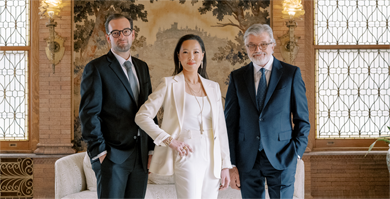
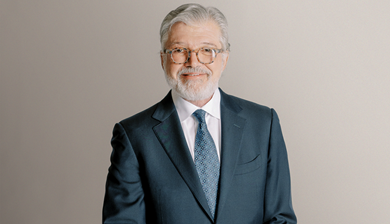
Dr. Vito C. Quatela is a triple board-certified facial plastic and reconstructive surgeon with over 30 years of experience performing facial rejuvenation procedures. Dr. Quatela is a past president of the American Academy of Facial Plastic and Reconstructive Surgery and is highly respected by his peers as a recognized expert in all areas of facial plastic surgery, including rhinoplasty, facelift, and other facial procedures.
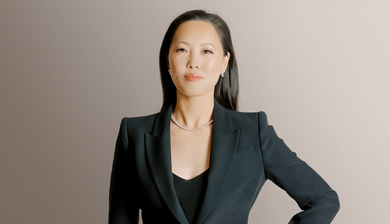
Dr. Heather Lee is a double board-certified facial plastic surgeon and otolaryngologist who has trained extensively with Dr. Quatela. She specializes in both aesthetic and functional procedures and is known for her meticulous surgical results and compassionate care.
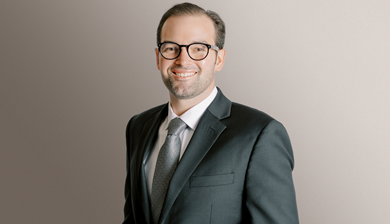
Dr. Alex Montague is a double board-certified facial plastic surgeon and otolaryngologist who trained under Dr. Quatela for a facial plastic and reconstructive surgery fellowship. He has exemplary skills in both technique and patient care and specializes in aesthetic and functional procedures.
Our surgeons use fat transfer to enhance the lips through injections or dermal fat grafts.
Fat Injections
Some patients receive fat injections when the goal is to treat multiple areas, such as the lips and smile lines. Advantages of fat injections include:
Fat is from the patient’s own body
Very small donor site
Minimal healing time
Unlimited availability
Unlike collagen, which is totally resorbed in six to eight months, approximately 30 to 50% of the injected fat survives and lasts indefinitely, although patient experiences vary. While uncommon, the fat can be totally reabsorbed in some patients. Rarely is the fat reabsorbed asymmetrically.
Dermal Fat Grafts
In a dermal fat graft procedure, a thin strip of skin and fat is threaded through a tiny incision at each corner of the mouth. This approach is typically used if there is skin left over from a simultaneous plastic surgery procedure such as a facelift. However, a dermal fat graft can also be performed as an independent procedure (typically using a low abdomen donor site) and is sometimes requested if fat is reabsorbed from a previous fat injection procedure.
The advantage of dermal fat grafting is, again, a natural donor (from your own body) and increased longevity when compared to collagen injection. With a dermal fat graft, more of the fat survives because the dermis (skin) acts in a similar fashion as a skin graft and nourishes the fat. Therefore, the likelihood of the fat surviving long-term is better. Disadvantages include a separate donor incision if not performed simultaneously with another plastic surgery procedure where skin is left over.
Unfortunately, dermal fat grafts are contraindicated in people with thick, heavy hair growth in donor areas. Dermal fat grafts can also have upwards of 30 to 50% resorption when final results are evaluated at one year’s time.
Your Safety Is Our Priority
Our plastic surgeons review a variety of factors to ensure plastic surgery is a safe choice for you.
Patients who want to avoid surgery but still want to improve their smile lines and the area around their lips can find alternatives with our physicians. Options such as BOTOX® Cosmetic and Restylane® are nonsurgical treatments available to rejuvenate your appearance for the short term or until you feel plastic surgery is the right choice for you.
Can Fat Transfer Be Combined With Other Procedures?
Skin resurfacing procedures are often combined with fat transfer to correct superficial wrinkles and fine lines surrounding the mouth. Skin resurfacing removes the outer layer of skin using dermabrasion, chemicals, or laser energy, which refreshes the skin with a smoother, younger-looking layer with fewer wrinkles. Crow’s feet, facial lines, lines around the mouth, and laugh lines can all be addressed in this way. As it often enhances the natural beauty already present and results in a more youthful look, skin resurfacing has become one of the most popular rejuvenation procedures.
Your Fat Transfer Surgery
Our surgeons use IV sedation (medicine administered through an IV) and a local anesthetic (numbing medication administered in the operating room) during fat transfer surgery. Patients are asleep, so they are comfortable and do not hear or feel anything. Patients wake up very soon after the operation is completed.
The length of the surgery procedure depends on several factors, including the size and location of the area to be treated and the complexity of the underlying anatomy. Many patients who have previously had facial plastic surgery are referred to the Quatela Center for Plastic Surgery for revision plastic surgery, which can take a little longer because of corrections that need to be made.
Because of the effects of anesthesia, patients need to arrange for a responsible adult to drive them home and stay with them through the night following their fat injection surgery. Patients may not drive for at least 24 hours after their procedure.
Recovery After Fat Transfer
After any plastic surgery procedure, some discomfort can be expected. All patients are provided with prescriptions for pain medication. Patients typically use the prescription medication after surgery for a few days and then switch to Extra Strength Tylenol®. It is uncommon for patients to report unmanageable pain after their fat transfer procedure.
Postoperative bruising and swelling begin to resolve at the end of the first week of your fat injection surgery. Full resolution of swelling and puffiness may take two to four weeks. Any residual bruises camouflage fairly easily at seven to ten days with make-up.
Returning to Work
Most patients take one to two weeks off work, depending on bruising and over-correction to compensate for future fat reabsorption. Patients who are more concerned with privacy return three weeks after fat injection surgery. Return to work depends on many factors, including the nature of your occupation and your general state of health. Patients are asked to avoid any heavy lifting, bending, and straining for two weeks following their fat injection surgery.
Resuming Activity
While patient experiences vary, aerobic activities should be avoided for two weeks following fat injection surgery and heavy weight lifting or more strenuous workouts should be avoided for three weeks postoperatively. As we mentioned above, it’s important to avoid bending, lifting, or straining during the postoperative period as these activities can increase swelling and delay healing.
Fat Transfer Results
Approximately half of the fat will be reabsorbed; however, this varies between patients. As with everything in medicine, there are trade-offs to consider. Many patients prefer fat transplantation because tissue from the patient’s own body is used to make the requested improvements. Second, fat transplantation is commonly performed with some adjustments for over-correction at the time of plastic surgery to compensate for part of the resorption. Also, fat for transplantation is most often readily available without an additional incision or expense.
Model
For Our New York Neighbors
Quatela Center for Plastic Surgery
The Quatela Center for Plastic Surgery in Rochester is proud to serve patients from throughout Upstate NY. We are honored to be the area’s premier plastic surgery center, and give every patient our undivided attention and the quality of care they deserve. Learn more about how we support our New York patients on their surgical journeys:
I really want to do this, but I’m nervous. What if I get stressed?
It’s OK to be nervous. (Frankly, we would be nervous if you were taking this step lightly!) One of the best ways to deal with nervousness is to see what other patients have gone through. Contact us to talk to a patient who has had fat injection surgery or to talk to one of our experienced staff members.
There are so many filler options; which one should I choose?
Fat transplantation is suited for “puppet” smile lines (nasolabial folds), lip augmentation, or used in combination with a forehead lift filling in skin creases such as frown lines. Formed implants such as those appropriately used in the chin or cheek area provide foundation or structural support. Restylane, Radiesse, Juvederm and Perlane are used primarily for patients who are not yet ready for plastic surgery but wish to have temporary improvement obtained in the office setting.
Can fat transfer improve my smile lines?
Fat injection is one of several ways to address smile lines and lip wrinkles. However, if smile lines are due to excess skin and muscle laxity, fat transfer will not replace the benefits of a facelift (removal of excess skin). One of the most commonly requested procedures at the Quatela Center for Plastic Surgery is to harvest fat with neck liposuction during a facelift for injection into smile lines and lips. For superficial wrinkles and fine lines around the mouth, one could combine fat injection with a skin resurfacing procedure.
For patients who want improvement in their smile lines and the area around the lips but aren’t ready for plastic surgery, alternative options are available. Botox and Restylane are just two of the many ways to maximize your beauty temporarily for a special event or until you are ready for plastic surgery.
Model
Surgical Destination
We’re Worth The Trip!
As a destination practice offering world-class care, the Quatela Center attracts patients from around the globe. Our virtual consultations and support program take the effort out of travelling for surgery.
I’m from out of town. How long should I stay in Rochester following fat injection surgery?
Most patients stay in Rochester for about seven to ten days following their surgery. After that, it’s OK to fly or travel long distances. For information about how we support patients, visit our Travel for Plastic Surgery page.
I want to change the appearance of my chin dramatically. Can fat transfer do that?
The best way to correct a “weak” or ill-defined chin is a chin implant for structural support. Fat injection serves best in smile lines and as soft tissue filler. Of course, this question can only be answered on an individual basis. A good facial plastic surgeon can tell the difference between realistic and unrealistic expectations and will be truthful about meeting each patient’s desires. Our biggest referral source is from satisfied patients — ones who have had realistic expectations and were satisfied with their results.
How much is fat transfer?
The cost of fat transfer varies, depending on your specific needs and goals. All prices quoted from the Quatela Center are all-inclusive and include pre and postoperative appointments, surgeon’s fees, surgery center fees, and anesthesia costs. For more information, see our page on Plastic Surgery Costs.
People who live in Buffalo, Syracuse, and other areas of New York travel to the Quatela Center for Plastic Surgery for fat transfer and other facial rejuvenation procedures. Request your consultation using the online form to meet personally with one of our facial plastic surgeons or give our office a call at
(585) 244-1000 to schedule an appointment.