Dermabrasion
Dermabrasion Rochester NY, Dermabrasion Rochester New York

Frequently Asked Questions about Skin Resurfacing

If you don't see your question about dermabrasion here, please Contact Us.
We'd be happy to hear from you.

    CHEMICAL PEEL PREOPERATIVE INSTRUCTIONS

    1. Do I need any special prescriptions before surgery?


    CHEMICAL PEEL POSTOPERATIVE INSTRUCTIONS

    CHEMICAL PEEL

1) What is skin resurfacing?
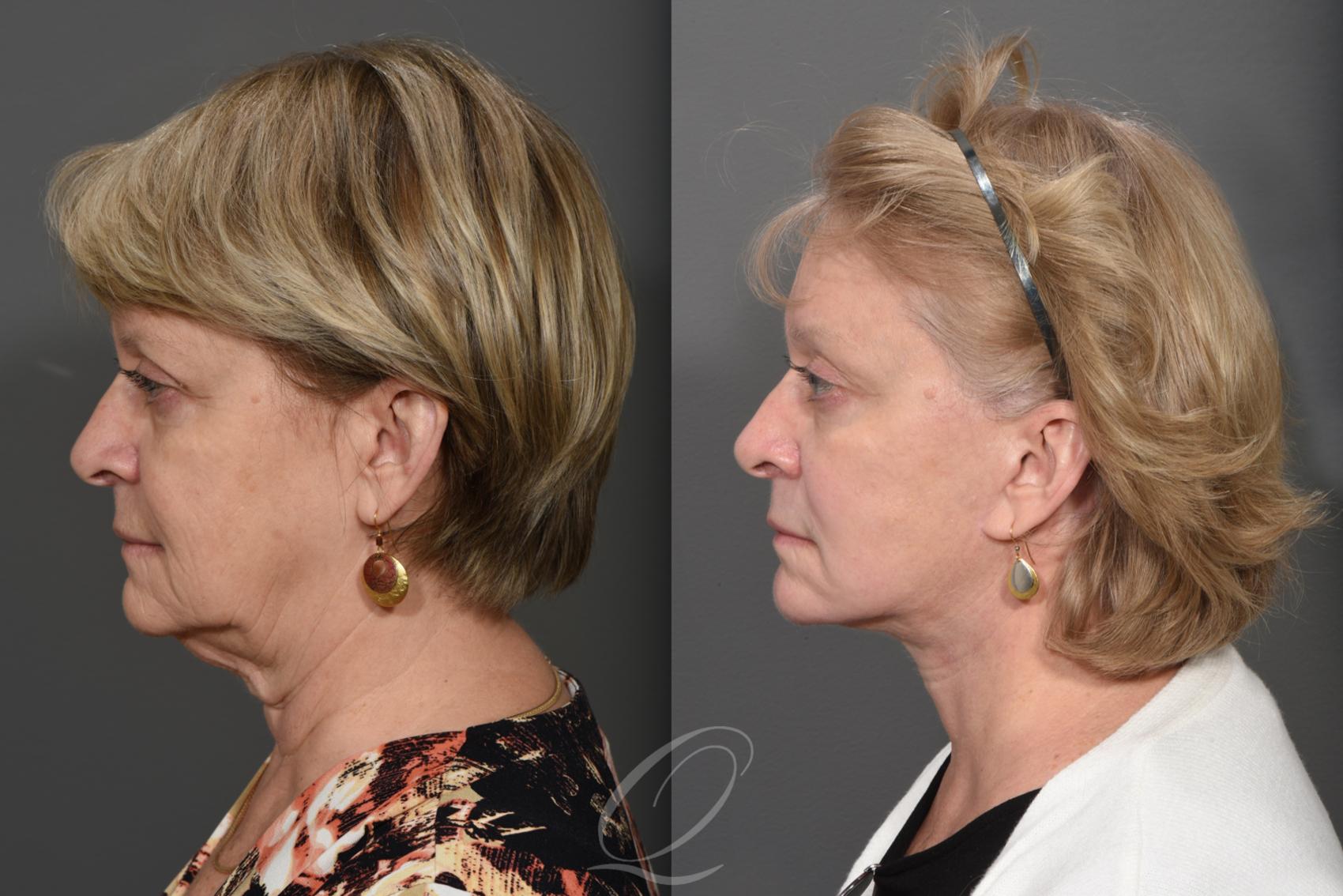
Skin resurfacing is the removal of the outer layer of the skin - using abrasion, chemicals or a laser - resulting in smoother, younger-looking skin with less wrinkles such as crows feet, face lines and laugh lines. Skin resurfacing is one of the most popular facial rejuvenation procedures because often the results enhance one's natural beauty. Laser skin resurfacing results in a more youthful appearance. See our before-and-after skin resurfacing photos.

2) Laser, dermabrasion, chemical peel - what's the difference?
Let's start by defining each one!

Chemical Peels
An application of an acid solution peels the top layers and allows smoother, regenerated skin to emerge. Chemical peels, which can be used alone or in combination with other skin resurfacing, can be effective on fine wrinkles caused by sun damage, superficial skin color changes such as age spots and signs of premature aging such as the fine lines around the eyes. Chemical peels can be used alone or in combination with other skin resurfacing techniques.

Chemical peels offered at the Quatela Center for Plastic Surgery range from mild "lunch hour peels" performed in our Medical Spa to moderate TCA (trichloroacetic acid peels) to deep phenol peels performed in the surgical suite. Details on each of these peels are outlined at the skin resurfacing below.

Dermabrasion
Dermabrasion is a facial sanding technique used to treat deep scars and wrinkles, raised scar tissue, and some severe cases of cystic acne. Top layers of skin are "sanded" with a high-speed rotating brush or a diamond-coated wheel.

Laser Resurfacing
Laser light beams vaporize top layers of the skin to lessen the appearance of wrinkles, scars, birthmarks or to generally resurface facial skin. Laser resurfacing can be used alone or in combination with other skin resurfacing techniques. Learn more about Laser Resurfacing.

3) How do I know which approach is best for me?
The only way to know for sure is a consultation with a board certified facial plastic surgeon that specializes in all of the above skin resurfacing techniques. It is not uncommon to use a combination of approaches to achieve an optimal result. At the time of your consultation your plastic surgeon will examine your skin to assess factors that could affect the outcome of the plastic surgery and to determine the proper procedure for your condition.

For example, a patient who wants improvement in the lines around the lips might benefit from a simultaneous procedure of laser resurfacing and dermabrasion. A patient with acne scars may achieve the best result with optimal blending from a full face laser combined with dermabrasion of the deepest acne scars and a TCA peel of the neck. The choice of which approach is right for you depends on many factors including:

  • anatomical location
    (for example, eyelid skin can be lasered or peeled but not dermabraded)
  • the nature of the defect
    (traumatic scar, premature aging, pigmentary changes, acne scar, etc.)
  • skin type
    (fair, dark, Eurasian, Mediterranean, etc.)
  • medical history and more.

4) Will a chemical peel help with my deep, pitted acne scars?
It depends on the scars. Sometimes a combination of dermabrasion for acne scars along with laser or a peel is the best way to go for blending. Preparatory surgery such as scar excision or fillers such as fat injections prior to skin resurfacing may be needed to achieve an optimal result. Excision of multiple deep-pitted acne scars may be performed over several sessions. Acne scars must be evaluated on an individual basis.

5) Will a chemical peel lift my sagging skin?
Skin peeling and all skin resurfacing techniques are employed to change the surface texture. Chemical peels are not performed to correct sagging skin such as a turkey wattle neck. Although chemical peeling will tighten skin, it will not, for example, remove bags under the eyes created by excessive skin.

6) How do I know if I need an eyelid lift or chemical peel?
Skin resurfacing such as a chemical peel treats the surface texture such as fine lines, wrinkles and crows feet. Blepharoplasty is performed to remove excess skin and/or excess fat that can create dark circles. Many times patients benefit from a combination of these two procedures since, in most cases, they can be performed simultaneously.

7) Can I have chemical peel in combination with a facelift or browlift?
Most skin resurfacing can be and often is combined with other procedures to achieve improvement of both sagging and skin surface irregularities.

8) What kind of results can I expect from chemical peel?
It depends on the condition of the skin and what the patient is trying to achieve. Chemical peels are not a perfect science. Even in the best of hands, one can expect about a 30% improvement. However, after reviewing realistic expectations, most surgical outcomes such as chemical peels make patients very happy.

9) What's the chemical peel procedure like?
Chemical peel procedures vary depending on the strength of the peel. Mild peels are performed in our Medical Spa. The deeper chemical peels, which include TCA and phenol peels, are performed in our plastic surgery suite. Before beginning any cosmetic surgery, your plastic surgeon allow time to meet with you prior to answer any last minute questions before the operation. The plastic surgeon will review the procedure and be sure of your comfort before he proceeds.

After you change into a gown, you undergo a thorough cleansing of your face. The plastic surgeon and his assistant will wear masks, protective goggles and gowns. He will apply the peel slowly and carefully to feather the outer limits of the peel to assure the best possible blending with surrounding areas. You will be given pain mediation as needed. If you have a full face skin resurfacing, you may be asleep for the procedure.

10) When will I look "normal" after a chemical peel?
Postoperative skin resurfacing patients go through a period (usually the first seven to ten days) when everything seems unsightly as new layers of skin heal. The peeled area may "weep" with tissue fluid. You must be prepared for a period of unsightliness for five to seven days and schedule engagements around it. You will see a significant change in seven to ten days with the emergence of delicate pink new skin. The pinkness will gradually subside over the next six to eight weeks.

You will be presentable at seven days following chemical peel when you may apply a green-based make-up (which neutralizes the pinkness) in conjunction with your regular base. You will look great at three months and even better at six months. Your final result is evaluated at one year.

11) Does my history of a cold sore on my lip affect skin resurfacing?
Cold sores are actually a viral infection. Patients are pretreated with an antiviral medication to prevent the recurrence and spread of cold sores as you heal from skin resurfacing.

12) Can you chemical peel all skin types?
Yes! However, careful selection for blending reasons must be done. Some patients can very easily be more prone to hyperpigmentation (variations in skin color). This can be managed with bleaching creams and agents, however, sun avoidance and judicious use of sunscreen is most important.

13) Will I still look like "me" after chemical peel surgery?
Many of our patients report that, upon return to work and routine daily activities, friends and acquaintances make the following remarks: "Gee you look great. Did you change your hairstyle?" or "Have you been on vacation?" Retaining your uniqueness is the sign of a successful procedure. Although the change may be significant to you, it's not uncommon that friends and family don't really notice the specific changes.

14) Will a chemical peel get rid of these deep frown lines between my eyes?
Several modalities exist to treat frown lines. Some patients opt for a less invasive treatment such as Botox or fillers, which achieve temporary results. Other patients want more permanent correction such as a browlift with permanent treatment of those muscles that cause the deep frown lines.

15) Will I be awake during surgery?
For most patients, a limited anatomical area such under the eyes, patients remain awake. For full face skin resurfacing, patients are asleep.

16) How much pain will I have with a chemical peel?
Understandably, after any surgical procedure, some discomfort can be expected. All patients are provided with prescriptions for pain medication. Most patients who have a chemical peel say how surprised they are that the pain is less than they anticipated. Pain is well managed with medications. Patients who undergo full face skin resurfacing complain much more about wanting to have a clean face and keeping the face moist with ointments or dressings than they do about pain.

17) Do I go home after surgery?
Skin resurfacing is done on an outpatient basis. Because you will go home after receiving sedation, you will need to make arrangements for a responsible adult to drive you home, to stay with you overnight and to drive you to our office for your first postoperative appointment. Patients having surgery must stay in the immediate Rochester area overnight within 30 minutes of our East Avenue facility.

18) How long will pinkness and swelling last?
Postoperative swelling begins to resolve at the end of the first week. Full resolution of swelling may take two to three weeks. The pinkness associated with skin resurfacing can last six to eight weeks. For that reason, patients use make-up to camouflage the pinkness until it settles.<Patient diary>

19) How long should I stay in Rochester following surgery?
Most patients stay in Rochester about seven to ten days following surgery. After that it's ok to fly or travel long distances.

20) I'm from out of town. Where can I stay overnight in Rochester?
Accommodations are comfortable and convenient for Lindsay House clients. The Strathallen, located "just down the street" provides upscale, affordable accommodations for Lindsay House visitors. For added convenience following ambulatory surgery, some patients elect to stay in our Carriage House, located adjacent to the Lindsay House. For guests without the benefit of family or friends in the Rochester area, our staff will be happy to assist you with arrangements for a smooth, restful experience following your procedures.

21) When can I go back to work?
Restrictions from work are typically two weeks for skin resurfacing. Because initial surgical swelling may still be present, patients who are more concerned with privacy about the procedure take three weeks off to be safe. <Patient diary>

22) When can I "work out?"
Aerobic activities should be avoided for three weeks following surgery. Any activity that potentially increases blood pressure will increase the amount of time it takes for postoperative swelling to resolve.

23) What do I do to prepare for chemical peel?
As with any procedure, taking care of yourself and maintaining good diet, exercise and optimal health helps. Learn as much as you can about chemical peels so you know what to expect. Ask questions! Reading the procedure information below will help get you started.


CHEMICAL PEEL PREOPERATIVE INSTRUCTIONS

1) What do I do to prepare for surgery?
Although the preparation for surgery is pretty simple, it is an essential element in a successful outcome. To prepare for surgery, a preoperative appointment will be scheduled with one of our experienced nurses.

2) What happens at the preoperative appointment?
Many things! To name a few, you will meet with our nurses who review your health history, answer your questions, instruct you on how to prepare for surgery, provide prescriptions for use after surgery and tell you what to expect. Most of the instructions are listed here below. This list of questions, however, will not take the place of a preoperative visit, which is essential in determining a patient's understanding and readiness for surgery. We will be sure you are signing an informed consent.

3) What does informed consent mean?
Informed consent means you have an excellent understanding about the benefits of surgery as well as any risks, and all the preoperative and postoperative information. You are making an "informed" decision as to whether surgery is right for you.

4) What are the benefits and risks of a chemical peel?
As part of your initial consultation, your physician will review your expectations for surgery. At that time, he can provide a realistic picture of what surgery can and cannot accomplish. Depending on which procedures you are interested in, we will provide you with a list of risks reported in the medical literature associated with procedures you are considering. Although risks from cosmetic surgery are uncommon, every patient should be fully informed of the risks associated with surgery.

5) What are some of the other things to do to prepare for surgery?
We review your health history and any daily medications you may be taking. We ask about your health history including previous radiation treatment, bleeding disorders, poor healing, diabetes, "cold sores" (herpes infections) and prior cosmetic surgery.

6) What about my daily medications before surgery?
You will have a preoperative appointment well in advance of your surgery when our experienced staff will review all mediations with you. If you are on "blood thinners," you will be asked to stop them approximately one week prior to surgery. If you have been on Acutane therapy we will ask about duration and date of discontinuation. Also, see below about vitamins and supplements before surgery.

7) I take vitamins and supplements. Do I need to stop them before surgery?
Most vitamins and supplements have few side effects. However, there are some that can affect bleeding during surgery such as Vitamin E, ginko-bilova, fish oil and others. We will provide you with a list of medications and supplements to avoid before surgery.

8) Do I need any special prescriptions before surgery?
Most patients do not need any special prescriptions before surgery. Please let us know of any special medical concerns you may have. Because tobacco abuse impedes wound healing, you will be asked to stop for two weeks before surgery and two weeks following surgery. Our nurses will be happy to discuss over-the-counter aids to help you with this. You will be asked to start Vitamin C two weeks prior to the procedure to promote healing. In the postoperative instructions that follow, we will discuss all medications needed after surgery.

9) Why will I be asked not to eat or drink anything after midnight?
The best way to prevent after effects from anesthesia will be to avoid food or drink from midnight the night before surgery. For patients with special concerns, such as a patient with diabetes, our nurses will be happy to address arrangements with you ahead of time.

10) What happens when I check in for surgery?
Our nurses will help you get ready for surgery. We check your blood pressure, listen to your heart and lungs, start an IV before your operation. Please let us know of any special needs you may have. Also, be assured that you have plenty of time for any last minute questions with your doctor before going to the operating room. If only a small area is to be peeled, you will not need an IV.

11) Does someone have to stay at the Lindsay House while I have my surgery?
No one needs to stay at the Lindsay House during your surgery. However, you must have someone available by telephone at all times during your surgery.

12) I'm concerned about privacy.
During a recent independent study, privacy was found to be one of the advantages that attracted people most to Lindsay House. Because all consultations, office visits, surgical and nonsurgical experiences take place at the same address, the check-in process is completely confidential.


CHEMICAL PEEL POSTOPERATIVE INSTRUCTIONS

1) What do I look like when I wake up from surgery?
This depends on how much skin surface area was peeled. Following full face skin resurfacing, you will have moist dressings under a soft wrap around your head and under your chin. These dressings keep the area moist and promote healing. At your first postoperative appointment 24 hours after surgery, you will see redness and go through a period of unsightliness for about ten days. Your skin may appear wavy. In about five to seven days, you will be allowed to cover the area with green-based make-up (which neutralize the pinkness) in conjunction with your regular base. <Patient diary>

2) What does it feel like after surgery?
Most patients report only mild to moderate discomfort, which may be associated with some itching, tightness or a pulling sensation. These postoperative symptoms subside with time. We will make sure you are not nauseated or queasy from the anesthetic. Our nurses will be right there with you as you wake up from surgery to give you special attention.

3) When can I shower?
No shower for the first 48 hours. You may bathe as long as you don't get the peeled area wet. You will have a postoperative appointment about 24 hours after the surgery. At this first postoperative appointment we will teach you how to care for your skin. The day after your first postoperative appointment you can remove the dressing, shower, and reapply the dressing yourself.

4) Will I need any special prescriptions following surgery?
Yes. Postoperative prescriptions are provided well in advance of surgery day so you arrive home completely prepared. Postoperative prescriptions and over-the-counter medications for skin resurfacing patients include the following:

A) An antibiotic (most commonly Keflex/cephalexin) to prevent infection.
B) Pain medication (Vicodin/hydrocodone) to minimize any discomfort.
C) Over the counter Arnica as previously mentioned to minimize bruising.
D) Vitamin C 3000 mg with food daily following surgery to promote healing. It is important to continue to avoid aspirin, ibuprofen, Vitamin E, etc. for one week following surgery to prevent bleeding in the postoperative period.

5) When do I start taking these prescriptions?
Patients take their pain medication as needed. The other medications begin when you arrive home after your surgery. Because written instructions are reviewed at the preoperative appointment, you will know well in advance what to expect and how to take care of yourself following surgery.

6) Are there any dietary restrictions following surgery?
No. Patients can eat whatever they want. However, foods requiring excessive chewing should be avoided for patient comfort. It's not uncommon for full-face skin resurfacing, patients to stick to liquids the first 48 hours because of the dressings. Advance your diet from liquids to soft food to solids as tolerated. Please drink as much nutritious fluid as possible to will help prevent dehydration.

7) When is my first postoperative appointment?
You will be asked to come to the Lindsay House the next morning. We will teach you how to change the dressing yourself. You will change the dressing the following day after you shower and wash your hair. You will need someone to drive you to this appointment.

8) When can I shave my face after a chemical peel?
Approximately seven days after chemical peel, men will be allowed to shave their face.

9) Are there any instructions about routine daily activities?
Sleep with head of the bed elevated or use two to three pillows for one week. Facial fullness, headache and disrupted sleep are very normal postoperative symptoms and will decrease as the healing process occurs. Absolutely no bending, lifting or straining. If you have little children, bend at the knees or sit on the floor and let them climb on to your lap.

10) How long does healing take?
After three months, most patients look great and at six months even better. Healing and evaluation of the final result takes one full year.<Patient diary>

11) What about sun protection following skin resurfacing?
Avoid direct sunlight or wind directly on your face for four to six months following the procedure to prevent blotchy pigmentation. This is particularly important in darker complexions. If you must go in the sunlight, ear a wide-brimmed hat and apply a sunscreen with at least an SPF of 30.

12) I really want to do this but I'm nervous. What if I get stressed?
It's ok to be nervous. (Frankly, we would be nervous if you were taking this step lightly!) One of the best ways to deal with nervousness is to see what other patients have gone through. Take a moment to read our <Patient diary> and look at Before and after Photos. As you learn in Selecting a Surgeon an educated patient knows when and if the time is right for cosmetic surgery.


13) How can I learn more about skin resurfacing?
Several ways. First, Contact Us or call 1-585-244-1000 for any specific questions. If our Patient Care Coordinator can't answer them, she will gladly forward them to the appropriate physician or staff member. Also, you can learn more about how to Select A Surgeon and what happens at Your Consultation appointment, or more about the training, experience and board certification of our Surgeons & Staff. We can also suggest some other resources for you to explore.