Some patients with active lifestyles have skin that's been overexposed to sun and wind, while others are genetically predisposed to early signs of aging. Skin resurfacing helps people from Rochester, Syracuse, Buffalo, and throughout New York renew their skin's youthful radiance and texture with downtime that works for their schedule.
Model
Thank You Rochester for Voting Us the Best Plastic Surgery Practice
Quatela Center for Plastic Surgery 973 East Avenue Rochester, NY 14607 Phone: (585) 244-1000 Fax: (585) 271-4786 Monday–Friday: 8:30 a.m.–5 p.m.
Thank You Rochester for Voting Us the Best Plastic Surgery Practice
Skin Resurfacing
Some patients with active lifestyles have skin that's been overexposed to sun and wind, while others are genetically predisposed to early signs of aging. Skin resurfacing helps people from Rochester, Syracuse, Buffalo, and throughout New York renew their skin's youthful radiance and texture with downtime that works for their schedule.
Laser Resurfacing
Many patients are bothered by crow’s feet and superficial facial lines and wrinkles around the eyes. Some are looking for improvements in the fine lines around the mouth and others are looking to correct pigmentary changes in the skin, also known as age spots. Patients who request one or any combination of these improvements are seeking information about skin resurfacing.
Skin resurfacing is the removal of the outer layer of the skin — using abrasion, chemicals or a laser — to uncover a younger beauty hidden just underneath the surface.
This patient consulted with Dr. Montague regarding facial aging concerns. She presented with volume loss, mild jowling, and moderate excess skin and laxity in her neck. She also wanted to lower her hairline. Dr. Montague performed a deep plane... Read More
Applying acid solution eliminates the very top layers of the skin and allows smoother regenerated skin to emerge from beneath. Chemical peels can be effective on fine wrinkles caused by sun damage, superficial skin color changes, age spots, or signs of premature aging such as fine lines around the eyes. Chemical peels can be used in combination with other skin resurfacing or alone.
Chemical peels offered at the Quatela Center for Plastic Surgery range from mild “lunch hour peels” performed at Q the Medical Spa to moderate TCA (trichloroacetic acid peels) to deep phenol peels performed in the surgical suite.
Quatela Center for Plastic Surgery
Choosing the Right Plastic Surgeon
Specializes in Facial Procedures
Vito C. Quatela, M.D., FACS
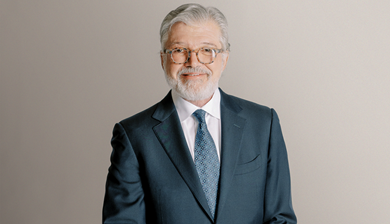
Dr. Vito C. Quatela is a triple board-certified facial plastic and reconstructive surgeon with over 30 years of experience performing facial rejuvenation procedures. Dr. Quatela is a past president of the American Academy of Facial Plastic and Reconstructive Surgery and is highly respected by his peers as a recognized expert in all areas of facial plastic surgery, including rhinoplasty, facelift, and other facial procedures.
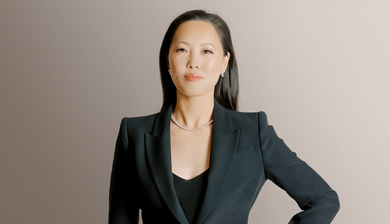
Dr. Heather Lee is a double board-certified facial plastic surgeon and otolaryngologist who has trained extensively with Dr. Quatela. She specializes in both aesthetic and functional procedures and is known for her meticulous surgical results and compassionate care.
Dr. Alex Montague is a double board-certified facial plastic surgeon and otolaryngologist who trained under Dr. Quatela for a facial plastic and reconstructive surgery fellowship. He has exemplary skills in both technique and patient care and specializes in aesthetic and functional procedures.
Skin resurfacing with the use of chemicals, laser, or abrasion can help improve fine lines and wrinkles, sun damage, facial scars, changes in pigmentation, and skin texture.
Is the post-operative care after skin resurfacing extensive?
The post-operative care depends on the type of resurfacing performed. Some procedures, such as mild chemical peels or fractional resurfacing, can be performed in our Medical Spa with a minimal amount of downtime or post-operative care. Other procedures, such as dermabrasion, deeper chemical peels or fully ablative laser resurfacing are frequently performed in the operating room under sedation and require a more intensive post-operative care regimen. Once you and your surgeon choose which procedure is best, specific post-operative instructions will be given.
Model
Surgical Destination
We’re Worth The Trip!
As a destination practice offering world-class care, the Quatela Center attracts patients from around the globe. Our virtual consultations and support program take the effort out of travelling for surgery.
There are many different options that are available for skin resurfacing which include chemical peels, laser skin resurfacing, and dermabrasion. Procedures vary from non-surgical, which are done in our Medical Spa, to surgical, which are done by our facial plastic surgeons. Depending on the level of damage to the skin and desired result, your doctor will discuss what procedure will best fit your needs.
What is the downtime associated with skin resurfacing?
Downtime varies depending on the type of resurfacing performed. Some types of laser resurfacing and chemical peels are done in the Medical Spa with minimal downtime. Other surgical procedures, such as fully ablative laser resurfacing or dermabrasion, will require longer recovery times. Seven to ten days post-operatively, you will see the emergence of delicate, pink new skin. The pinkness will gradually subside over six to eight weeks.
Get the Latest News and Specials
Can I get skin resurfacing done in the summer?
You can have skin resurfacing done in the summer, however it is extremely important to keep resurfaced skin out of the sun to minimize pigment changes. This can be accomplished by utilizing proper sun protection such as sunscreen, hats, sunglasses, etc.
How much is skin resurfacing?
The cost of skin resurfacing varies, depending on your specific needs and goals and the modality used. All prices quoted from the Quatela Center are all-inclusive. For more information, see our page on Plastic Surgery Costs.
People who live in Buffalo, Syracuse, and other areas of New York travel to the Quatela Center for Plastic Surgery for skin resurfacing and other facial rejuvenation procedures. Request your consultation using the online form to meet personally with one of our facial plastic surgeons or give our office a call at
(585) 244-1000 to schedule an appointment.