Quatela Center for Plastic Surgery
973 East Avenue
Rochester, NY 14607
Phone: (585) 244-1000
Fax: (585) 271-4786
Monday–Friday: 8:30 a.m.–5 p.m.
Otoplasty (Ear Pinning)
What Is Otoplasty?
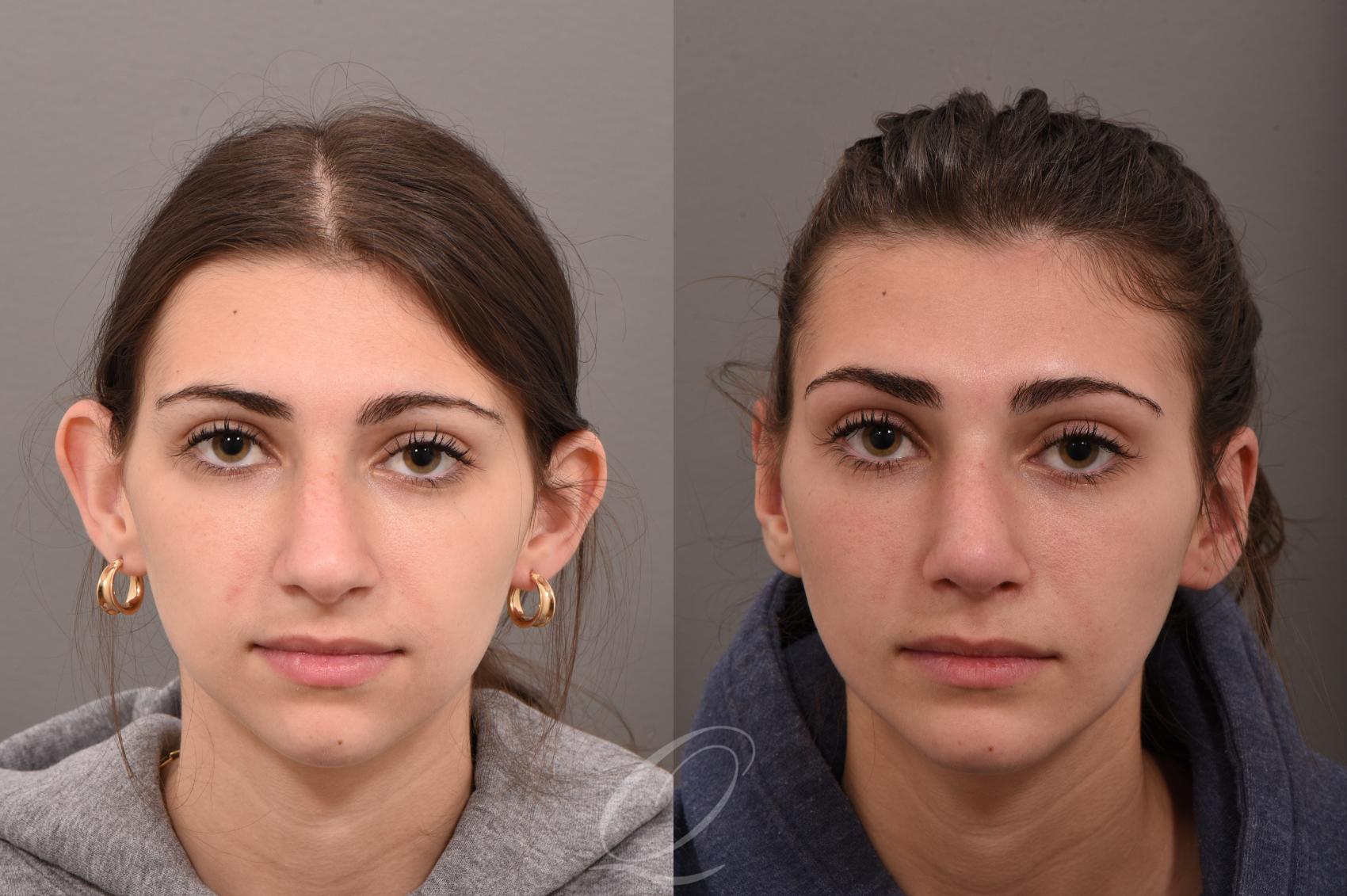
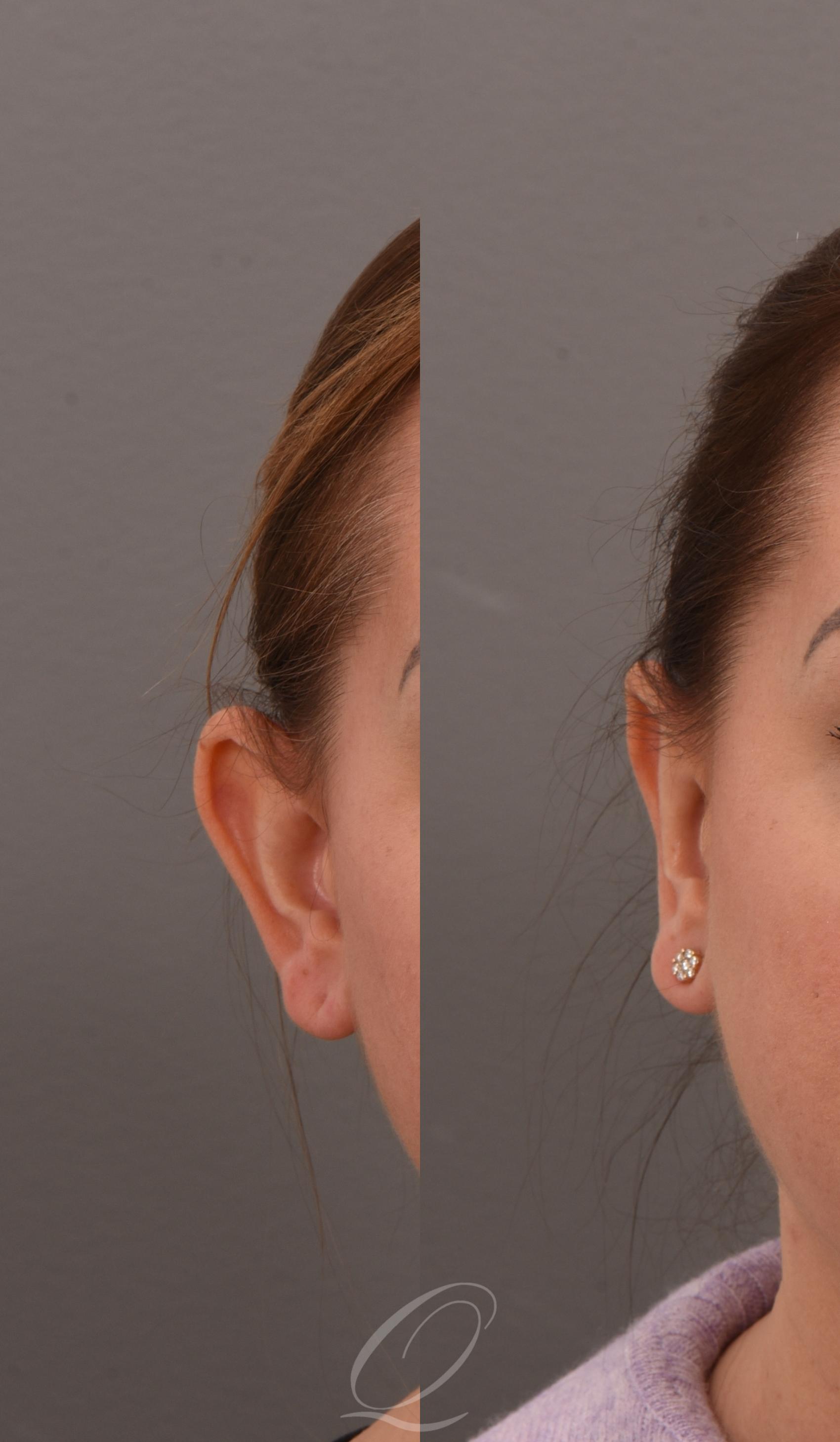
Otoplasty, also called ear pinning or ear reshaping, is a safe, outpatient plastic surgery procedure that improves the position and shape of the ears. This procedure can “pin back” ears that stick out and, if indicated, reconstruct or reshape the cartilage so the ears are symmetrical and rest closer to the head. Sometimes, only one ear is affected; in this case, surgery on both ears is still recommended so that the ears present a pleasing and symmetric appearance.


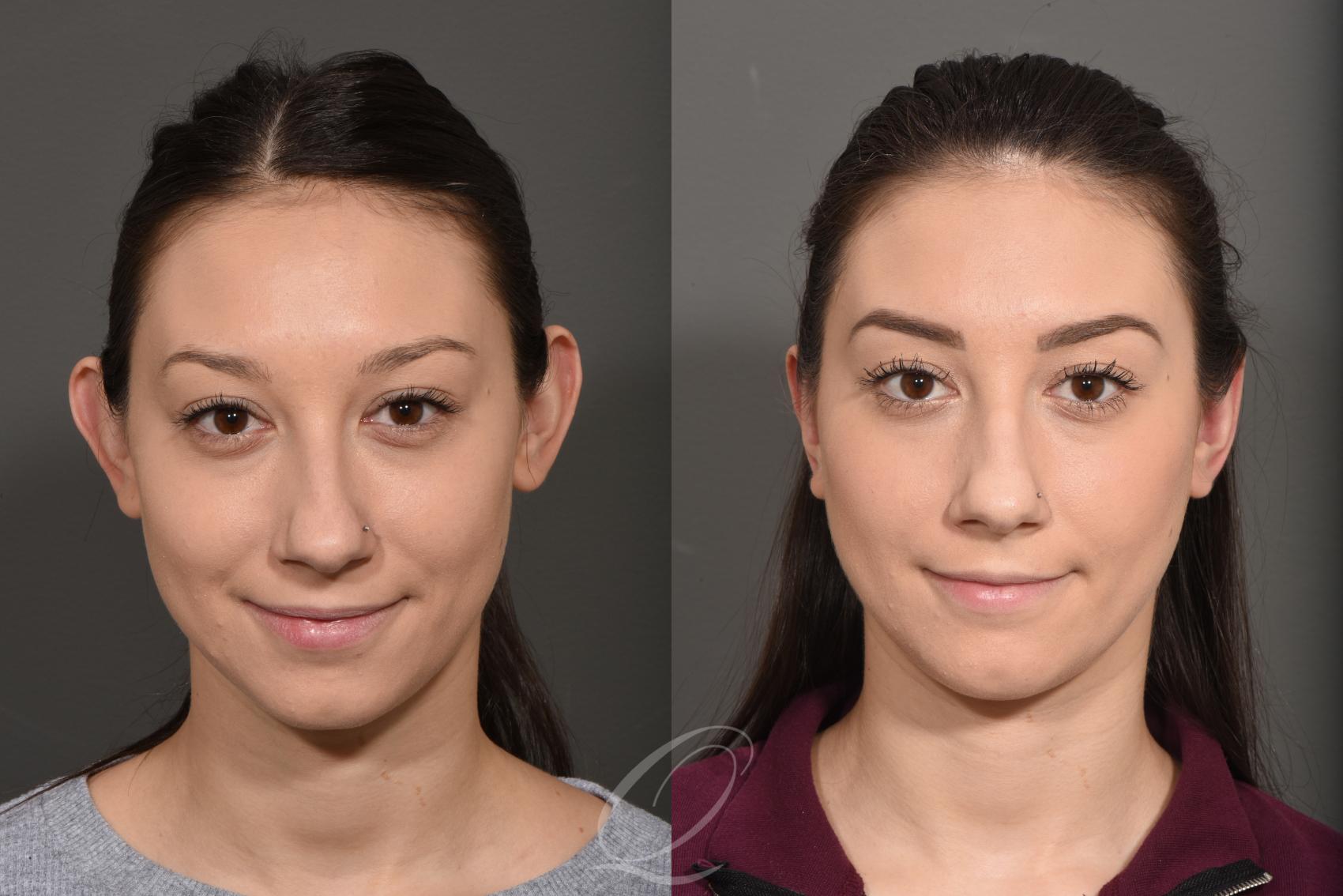
Provider: Dr. Vito Quatela
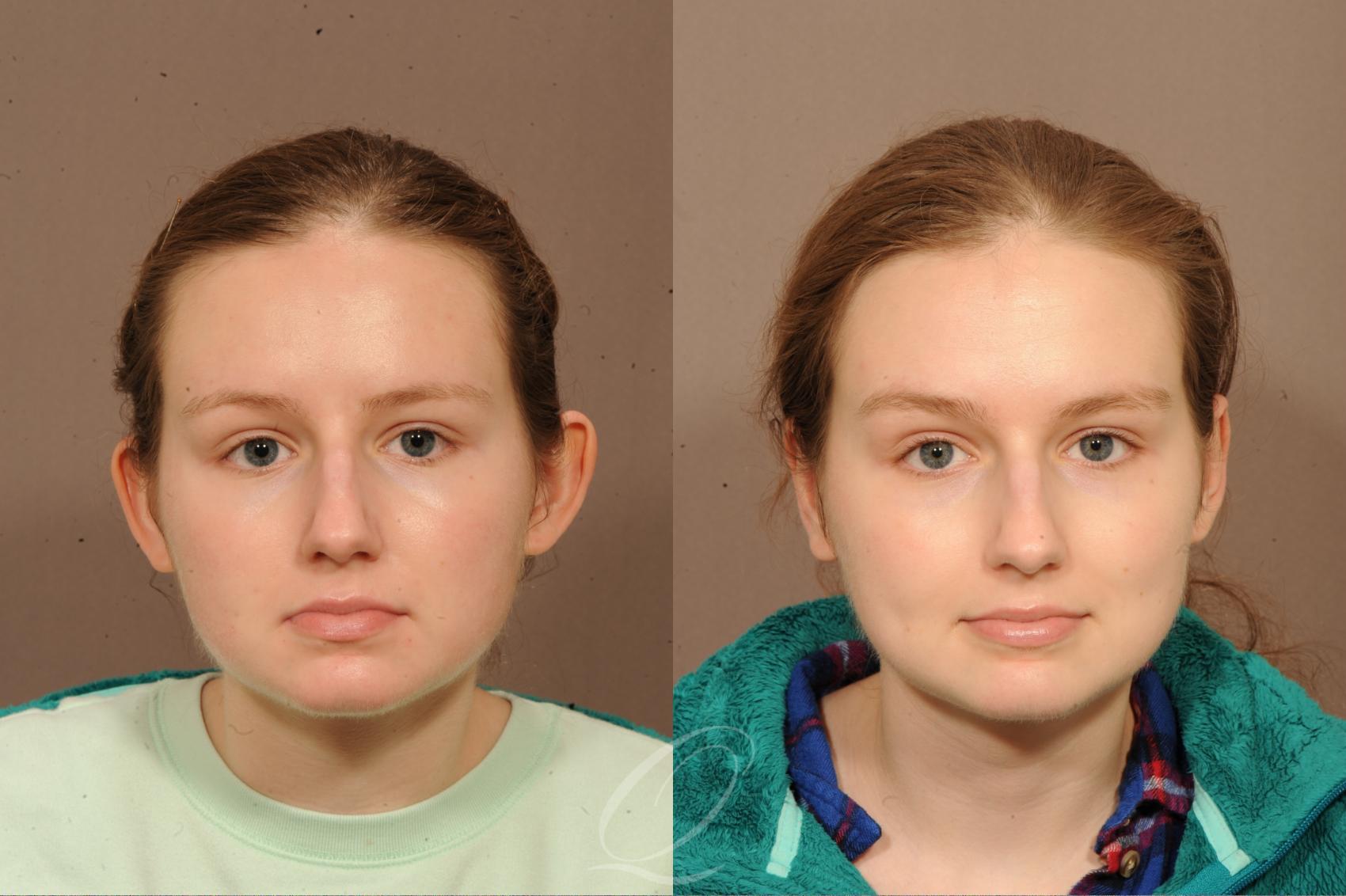
Provider: Dr. Heather Lee
Provider: Dr. Heather Lee
Provider: Dr. Alex Montague

Candidates for Otoplasty
Although it is typical to see younger patients with this complaint, it is painful to be teased at any age. You might be surprised to know it’s not uncommon for adults to come to us each year to address this same complaint. They grow tired of adjusting hairstyles to cover their ears. It is never too late to correct what is referred to in the medical literature as “bat” ears.
What Is the Best Age for My Child To Have Otoplasty?
There are a couple of factors to consider in determining the best age for your youth. First, ear development nears maturity around five or six years of age. Therefore, that age is an excellent time to have your child evaluated by a facial plastic surgeon. Another important factor is the psychological effect of peer pressure, which routinely starts around ages seven or eight. If the otoplasty is performed prior to the onset of peer pressure yet timed when the cartilage is mature enough to be reshaped, your child is not as adversely affected by the teasing of unknowing classmates. Typically, we tell parents to schedule an initial consultation when the child is about age five or six.
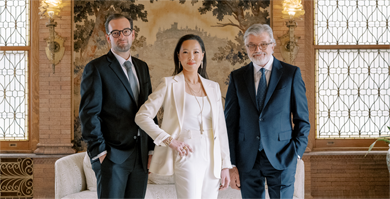
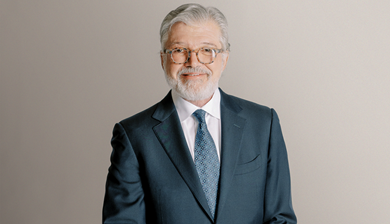
Dr. Vito C. Quatela is a triple board-certified facial plastic and reconstructive surgeon with over 30 years of experience performing facial rejuvenation procedures. Dr. Quatela is a past president of the American Academy of Facial Plastic and Reconstructive Surgery and is highly respected by his peers as a recognized expert in all areas of facial plastic surgery, including rhinoplasty, facelift, and other facial procedures.
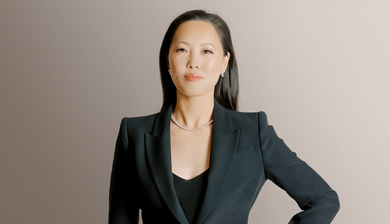
Dr. Heather Lee is a double board-certified facial plastic surgeon and otolaryngologist who has trained extensively with Dr. Quatela. She specializes in both aesthetic and functional procedures and is known for her meticulous surgical results and compassionate care.
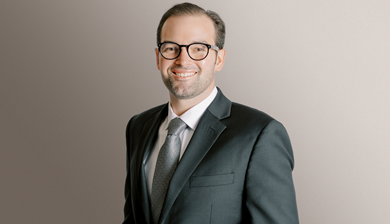
Dr. Alex Montague is a double board-certified facial plastic surgeon and otolaryngologist who trained under Dr. Quatela for a facial plastic and reconstructive surgery fellowship. He has exemplary skills in both technique and patient care and specializes in aesthetic and functional procedures.
Revision Otoplasty
Although there are many unexpected factors that can affect a final result, such as wound healing or compliance with postoperative otoplasty routines, a good result is also based on the expert knowledge, experience, and skill of the plastic surgeon. A board-certified facial plastic surgeon comfortable with otoplasty weighs all of the following factors when planning the surgery:
- Precise baseline measurements of the degree of protrusion
- Size and symmetry of the ears
- Proportion of the ears to the face and head
- Maturity and pliability of the cartilage
- Strategic placement of the otoplasty sutures
- Correct type of sutures
- Physical health, age, and readiness of the patient
The plastic surgeon performing a revision otoplasty needs to be very experienced and skilled with the procedure for several reasons – not the least of which is that revision otoplasty is a much more difficult procedure because the initial otoplasty has altered the original cartilage and original anatomical landmarks.
At the Quatela Center for Plastic Surgery, not only do we have extensive experience working with auricular (ear) cartilage and revision otoplasty, but a good deal of our research and scientific publications focus on auricular cartilage and ear deformity. Revision otoplasty is one procedure that we highly recommend extreme vigilance in the screening process of your board-certified plastic surgeon.

Split Earlobe Repair
Trauma, heavy or dangling earrings, and gauges can leave a tear or hole in the earlobe. Although split earlobe repair may be considered by most to be a minor cosmetic procedure, our plastic surgeons perform each procedure with a meticulous technique to minimize scarring and allow the earlobe to be pierced again in the future if desired.
Complementary Procedures
Otoplasty is often done along with other surgeries, and most surgeries can be combined with this procedure. Contouring and rejuvenating surgeries that are often done along with otoplasty include the following:
- Eyelid surgery
- Rhinoplasty
- Facelift
- Brow lift
- Chin or cheek implants
- Lip augmentation
- Skin resurfacing
Otoplasty Surgery
Our surgeons typically perform otoplasty on an outpatient basis using IV sedation and a local anesthetic. Patients are asleep during the operation, so they are comfortable and do not hear or feel anything.
Because of the anesthesia, adult patients will need to make arrangements for a responsible adult to drive them home, stay overnight, and drive them to our office for the first postoperative otoplasty appointment.
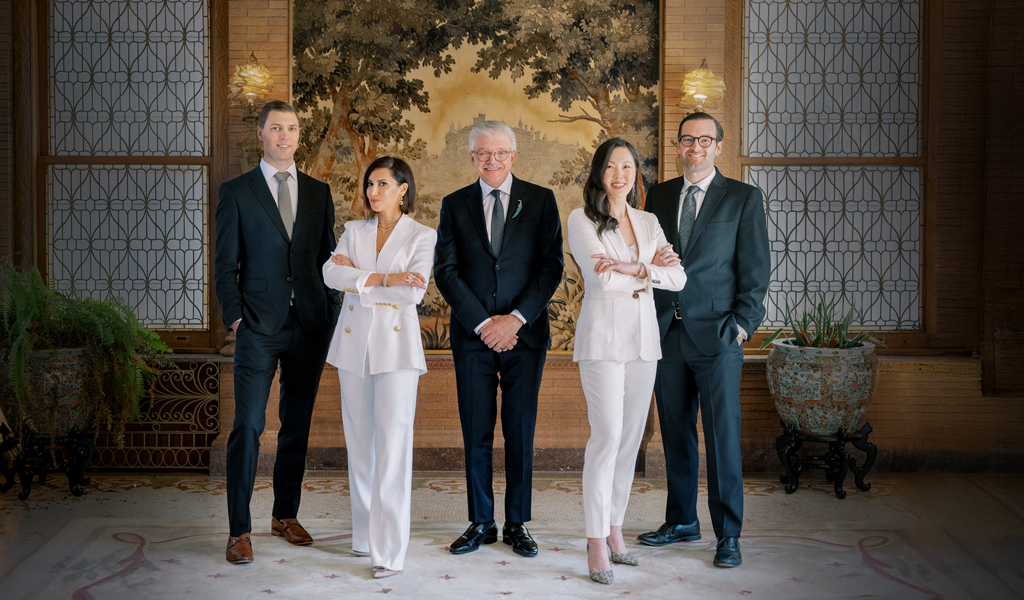
Our plastic surgeons review a variety of factors to ensure plastic surgery is a safe choice for you.
Otoplasty Recovery
Expect mild discomfort after otoplasty. All patients are provided with prescriptions for pain medication that most use for two to three days after surgery before switching to Extra Strength Tylenol®. It is uncommon for patients to report unmanageable pain after otoplasty surgery.
Postoperative bruising and swelling begin to resolve at the end of the first week. Full resolution of bruising or swelling may take two to three weeks. However, you may camouflage bruises fairly easily at seven to ten days with a concealer stick.

Return to Work & School
Most patients take three to four days off work, but occasionally, a patient returns after one week. After two weeks, any residual bruising and swelling can easily be camouflaged with make-up. Patients who are more concerned with privacy prefer two weeks off work. Children may return to school after three to four days but should remain out of physical education and contact sports for three weeks.
Resuming Activity
Aerobic activities should be avoided for three weeks following otoplasty surgery. It’s important to avoid bending, lifting, or straining during the postoperative period as these activities can increase swelling and delay healing.
Earlobe Surgery Results
Many of our patients report that, upon return to work and routine daily activities, friends and acquaintances make the following remarks: “Gee, you look great. Did you change your hairstyle?” or “Have you been on vacation?” Retaining your unique beauty is the sign of a successful procedure. Although the results may be noticeable to you, it’s not uncommon that friends and family don’t really notice the specific change.

As a destination practice offering world-class care, the Quatela Center attracts patients from around the globe. Our virtual consultations and support program take the effort out of travelling for surgery.

The Quatela Center for Plastic Surgery in Rochester is proud to serve patients from throughout Upstate NY. We are honored to be the area’s premier plastic surgery center, and give every patient our undivided attention and the quality of care they deserve. Learn more about how we support our New York patients on their surgical journeys:
People who live in Buffalo, Syracuse, and other areas of New York travel to the Quatela Center for Plastic Surgery for otoplasty (ear pinning) surgery and other facial rejuvenation procedures. Request your consultation using the online form to meet personally with one of our facial plastic surgeons or give our office a call at (585) 244-1000 to schedule an appointment.